
These products may be vehicle specific. Add your Rego to see what fits
-
Sale
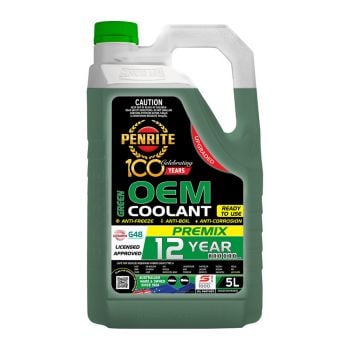 Penrite Green OEM Coolant Premix 5L COOLGREENPMX005
 Special Price $34.99 Regular Price $44.99
You Save 22% off RRP -
Sale
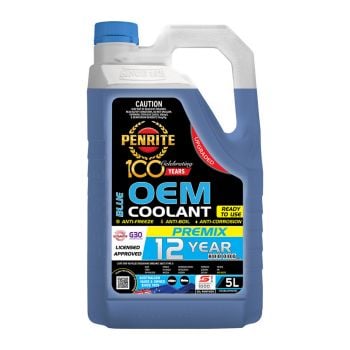 Penrite Blue OEM Coolant Premix 5L COOLBLUEPMX005
Special Price $42.89 Regular Price $52.99
Penrite Blue OEM Coolant Premix 5L COOLBLUEPMX005
Special Price $42.89 Regular Price $52.99
You Save 19% off RRP -
Sale
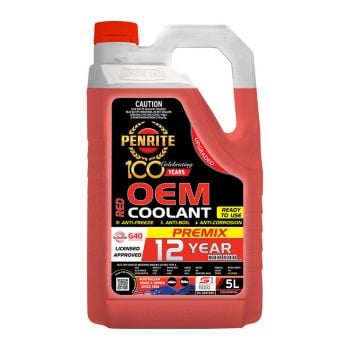 Penrite Red OEM Coolant Premix 5L COOLREDPMX005
Special Price $42.05 Regular Price $52.99
Penrite Red OEM Coolant Premix 5L COOLREDPMX005
Special Price $42.05 Regular Price $52.99
You Save 21% off RRP -
Sale
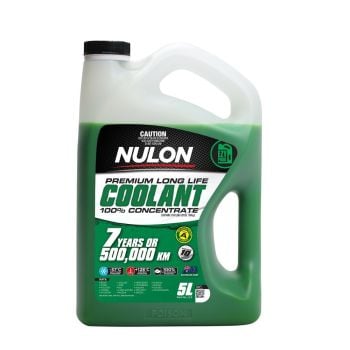 Nulon LL5 Green Coolant Concentrate Long Life
 Special Price $45.70 Regular Price $58.99
You Save 23% off RRP -
Sale
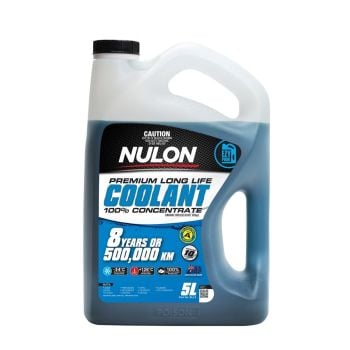 Nulon BLL5 Blue Coolant Concentrate Long Life
Special Price $50.50 Regular Price $71.99
Nulon BLL5 Blue Coolant Concentrate Long Life
Special Price $50.50 Regular Price $71.99
You Save 30% off RRP -
Sale
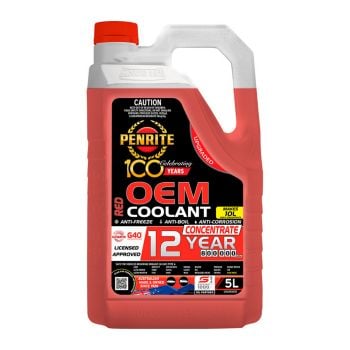 Penrite Red OEM Coolant Concentrate 5L COOLRED005
Special Price $62.75 Regular Price $80.99
Penrite Red OEM Coolant Concentrate 5L COOLRED005
Special Price $62.75 Regular Price $80.99
You Save 23% off RRP -
Sale
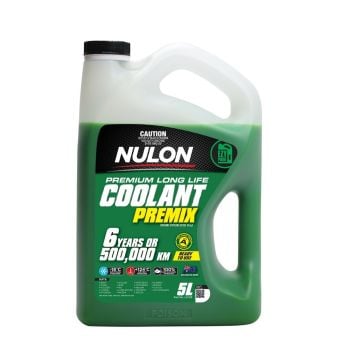 Nulon LLTU5 Pre Mix Green Coolant Top-Up Long Life 5L
Special Price $24.95 Regular Price $34.99
Nulon LLTU5 Pre Mix Green Coolant Top-Up Long Life 5L
Special Price $24.95 Regular Price $34.99
You Save 29% off RRP -
Sale
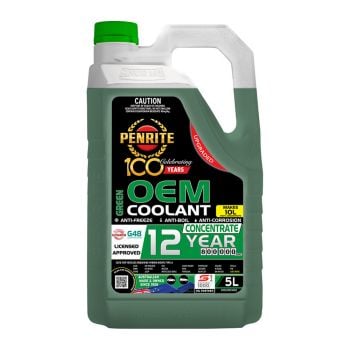 Penrite Green OEM Coolant Concentrate 5L COOLGREEN005
Special Price $52.85 Regular Price $70.99
Penrite Green OEM Coolant Concentrate 5L COOLGREEN005
Special Price $52.85 Regular Price $70.99
You Save 26% off RRP -
Sale
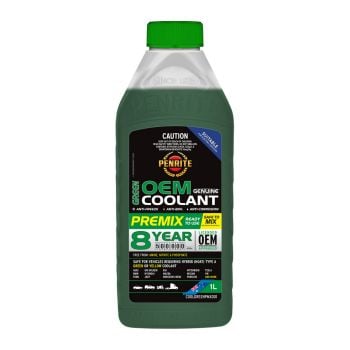 Penrite Green OEM Coolant Premix 1L COOLGREENPMX001
Special Price $13.60 Regular Price $13.99
Penrite Green OEM Coolant Premix 1L COOLGREENPMX001
Special Price $13.60 Regular Price $13.99
You Save 3% off RRP -
Sale

-
Sale
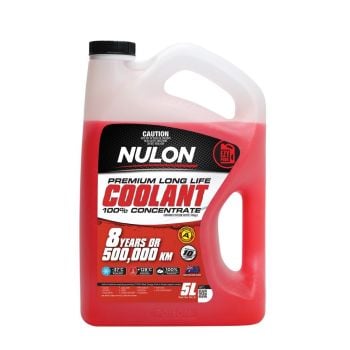 Nulon RLL5 Red Coolant Long Life Concentrated
Special Price $57.19 Regular Price $71.99
Nulon RLL5 Red Coolant Long Life Concentrated
Special Price $57.19 Regular Price $71.99
You Save 21% off RRP -
Sale
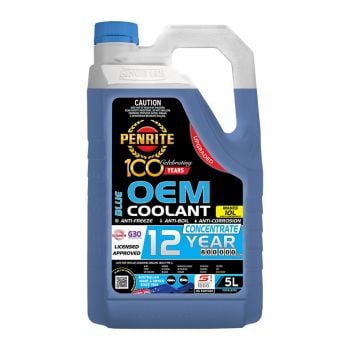 Penrite Blue OEM Coolant Concentrate 5L COOLBLUE005
Special Price $66.50 Regular Price $80.99
Penrite Blue OEM Coolant Concentrate 5L COOLBLUE005
Special Price $66.50 Regular Price $80.99
You Save 18% off RRP -
Sale
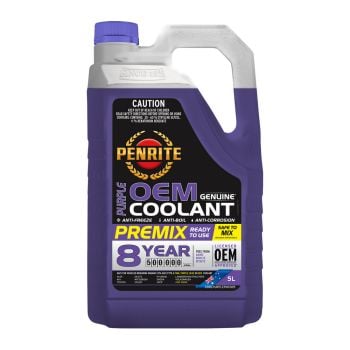 Penrite Purple OEM Coolant Premix 5L COOLPURPLEPMX005
Special Price $48.99 Regular Price $55.99
Penrite Purple OEM Coolant Premix 5L COOLPURPLEPMX005
Special Price $48.99 Regular Price $55.99
You Save 13% off RRP -
Sale
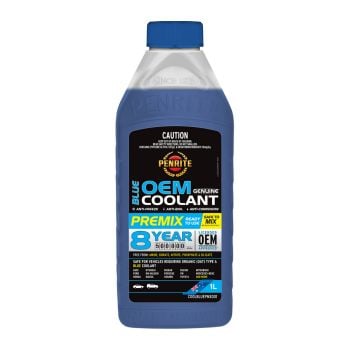 Penrite Blue OEM Coolant Premix 1L COOLBLUEPMX001
Special Price $18.50 Regular Price $18.99
Penrite Blue OEM Coolant Premix 1L COOLBLUEPMX001
Special Price $18.50 Regular Price $18.99
You Save 3% off RRP -
Sale
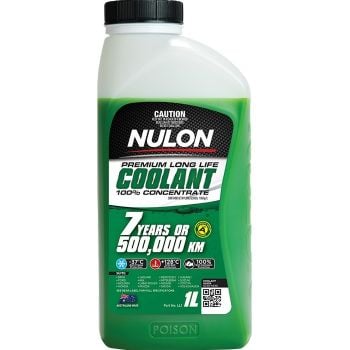 Nulon LL1 Green Coolant Concentrate Long Life
Special Price $13.30 Regular Price $21.99
Nulon LL1 Green Coolant Concentrate Long Life
Special Price $13.30 Regular Price $21.99
You Save 40% off RRP -
Sale
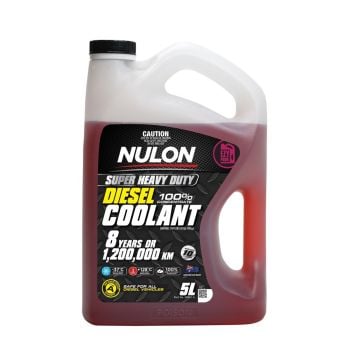 Nulon Heavy Duty Diesel Coolant Concentrate 5L HDDC-5
Special Price $54.15 Regular Price $75.99
Nulon Heavy Duty Diesel Coolant Concentrate 5L HDDC-5
Special Price $54.15 Regular Price $75.99
You Save 29% off RRP -
Sale
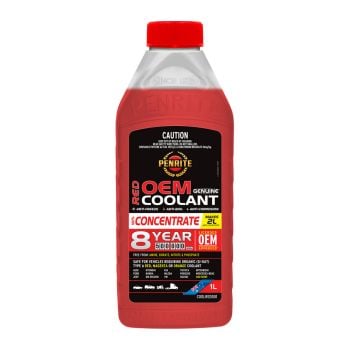 Penrite Red OEM Coolant Concentrate 1L COOLRED001
Special Price $20.50 Regular Price $20.99
Penrite Red OEM Coolant Concentrate 1L COOLRED001
Special Price $20.50 Regular Price $20.99
You Save 2% off RRP -
Sale
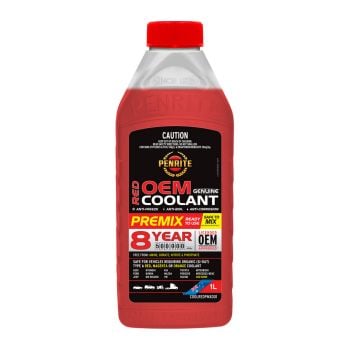 Penrite Red OEM Coolant Premix 1L COOLREDPMX001
Special Price $18.19 Regular Price $18.99
Penrite Red OEM Coolant Premix 1L COOLREDPMX001
Special Price $18.19 Regular Price $18.99
You Save 4% off RRP
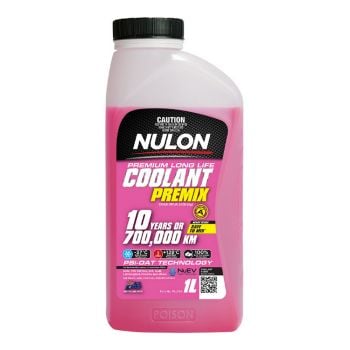
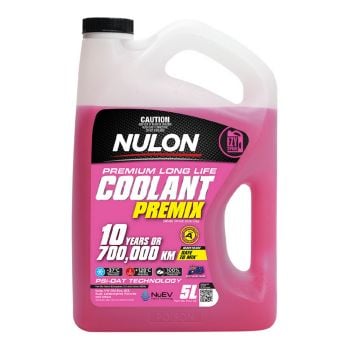
Engines produce heat (and lots of it). During regular operation, your engine expels heat via the engine block and its related systems. However, over half of the energy produced by the engine remains inside the engine block.
That's where engine coolant comes into play. Coolant helps absorb the excess heat produced by the engine. Without good engine coolant, you run the risk of your engine overheating and seizing up during the hot Australian summer. Overheated engines aren't something to scoff at: the probability of permanent engine damage something you'd certainly rather avoid.
How Often Should I Change My Coolant?
There's no set answer for often you should flush (change) your engine coolant. As a general rule, check with your carmaker to see what they recommend. Broadly speaking, you'll find that most car manufactures recommend an engine coolant change every 50,000 to 80,000 kilometers. If you use your engine for heavy towing or hauling, you may want to change your coolant more often.
How Do I Know If I Should Change My Coolant?
Never rely solely on numbers to determine when you need an engine coolant change. If your coolant is any of the following, you'll need a coolant change:
- Brown or brownish in colour
- Opaque or difficult to see through
- Thick, sludgy, or discoloured
Other signs that a coolant change is in order include:
- Engine service lights
- Engine temperature fluctuations and warnings
- Steam rising from the engine
WARNING: Never open your radiator/coolant system when the vehicle is HOT! Of course, if you see smoke rising from the engine, pull over immediately and do not risk driving further until a mechanic addresses the problem.
Lastly, if you live in a hot climate (like we do in Australia), consider changing your engine coolant a little more regularly as vehicles operating in hot climates may, in some cases, suffer from premature degradation of engine coolant. Check with your mechanic often regarding the health of your engine coolant.
Types of Coolant
There's more types of coolant than you can shake a stick at. There are three main types of coolant that automotive manufacturers use:
- IAT: Inorganic Additive Technology (the legendary "green stuff").
- OAT: Organic Acid Technology (purple, orange, red, yellow).
- HOAT: Hybrid Organic Acid Technology (orange, yellow)
As a general rule, IAT needs to be changed regularly (every 40,000 kilometres or so). Car manufacturers haven't used IAT in new vehicles since the late 90s/early 2000s, so it's mostly for older vehicles. OAT gets a pleasant 5 year, 80,000 km service interval. HOAT is roughly the same as OAT, but check your owner's manual to be sure.
Tip: Don't rely on color alone to determine coolant type. Check your owner's manual, car marker’s website, or local mechanic before risking damage to your engine.
What is Concentrate Coolant vs Pre-mixed Coolant?
There's a running debate regarding concentrated vs premixed engine coolant. Broadly speaking, premixed, ready-to-use coolant is best for someone looking to top up their coolant quickly. With coolant concentrate, you'll need to carefully mix in the correct amount of water. If you're looking for convenience for most practical purposes, go with a premixed coolant.
Another benefit is that premixed coolant tends to cost less than an equivalent amount of concentrate. Valvoline, for example, offers premixed ready-to-use coolants (both G-05 and Dex-Cool). Other options include Castrol's Radicool Premix and Nulon's Green Premium.
That said, concentrated engine coolant is best suited for anyone looking to customize their coolant system. Concentrated coolant lets you mix in the exact amount of water you need for your particular need.
As a general rule, opt for premixed engine coolant. If you'd be better off with concentrate, you'd already know.
Every major coolant manufacturer (Valvoline, Castrol, Nulon, etc) produces a concentrated engine coolant. As always, check with Automotive Superstore if you're unsure about which product is best for you.
What's the Best Coolant to use?
The easy answer? The correct radiator coolant for your vehicle is the best coolant to use.