
These products may be vehicle specific. Add your Rego to see what fits
-
Sold Out
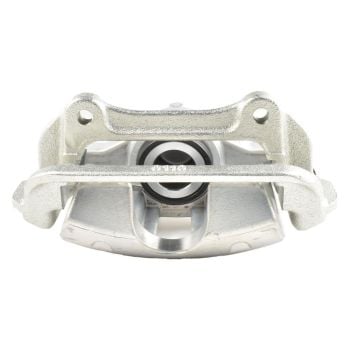 DBA DBAC1627 Street Series Caliper Rear
 Special Price $160.93 Regular Price $201.95
You Save 20% off RRP -
Sale
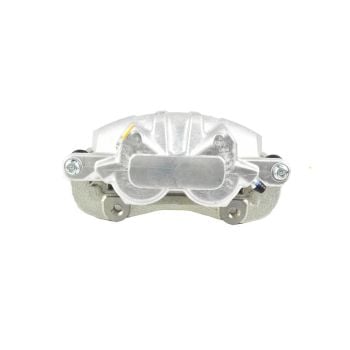 DBA DBAC1102 Street Series Brake Caliper Front Right
Special Price $197.35 Regular Price $272.95
DBA DBAC1102 Street Series Brake Caliper Front Right
Special Price $197.35 Regular Price $272.95
You Save 28% off RRP -
Sale
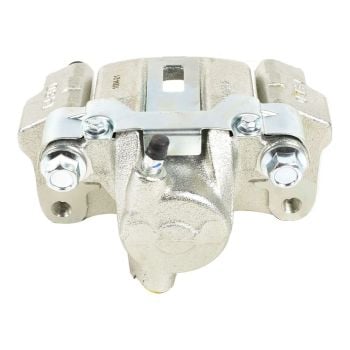 DBA DBAC1002 Street Series Brake Caliper Rear Left
Special Price $143.49 Regular Price $197.95
DBA DBAC1002 Street Series Brake Caliper Rear Left
Special Price $143.49 Regular Price $197.95
You Save 28% off RRP -
Sale
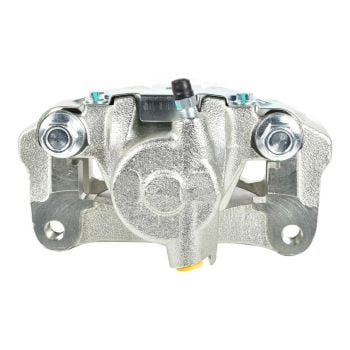 DBA DBAC1003 Street Series Brake Caliper Rear Right
Special Price $143.49 Regular Price $197.95
DBA DBAC1003 Street Series Brake Caliper Rear Right
Special Price $143.49 Regular Price $197.95
You Save 28% off RRP -
Sale
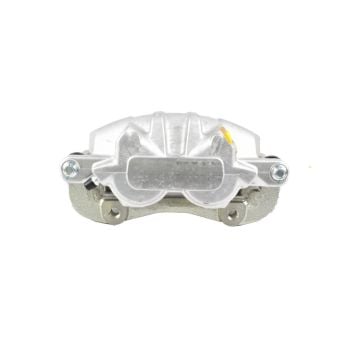 DBA DBAC1103 Street Series Brake Caliper Front Left
Special Price $197.35 Regular Price $272.95
DBA DBAC1103 Street Series Brake Caliper Front Left
Special Price $197.35 Regular Price $272.95
You Save 28% off RRP -
Sale
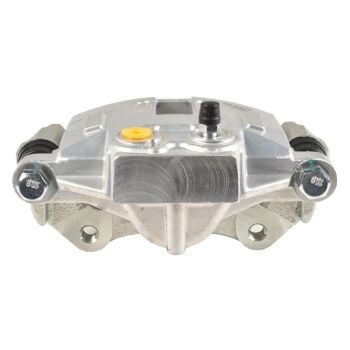 DBA DBAC1626 Street Series Caliper Rear
Special Price $160.94 Regular Price $201.95
DBA DBAC1626 Street Series Caliper Rear
Special Price $160.94 Regular Price $201.95
You Save 20% off RRP -
Sale
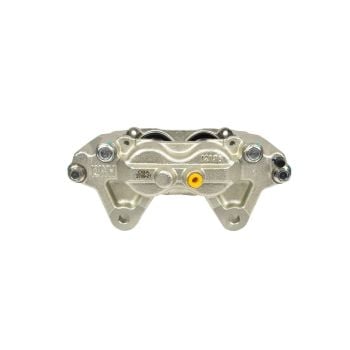 DBA DBAC1140 Street Series Brake Caliper Front Left
Special Price $184.25 Regular Price $254.95
DBA DBAC1140 Street Series Brake Caliper Front Left
Special Price $184.25 Regular Price $254.95
You Save 28% off RRP -
Sale
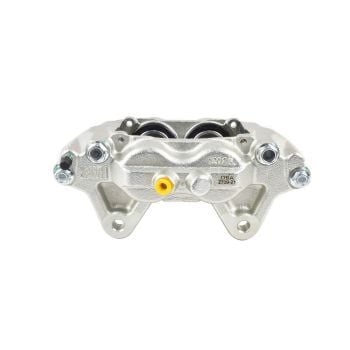 DBA DBAC1141 Street Series Brake Caliper Front Right
Special Price $184.25 Regular Price $254.95
DBA DBAC1141 Street Series Brake Caliper Front Right
Special Price $184.25 Regular Price $254.95
You Save 28% off RRP -
Sale
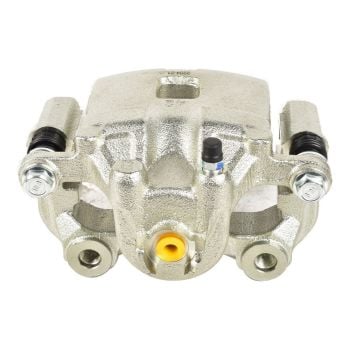 DBA DBAC1020 Street Series Brake Caliper Rear
Special Price $161.35 Regular Price $222.95
DBA DBAC1020 Street Series Brake Caliper Rear
Special Price $161.35 Regular Price $222.95
You Save 28% off RRP -
Sale
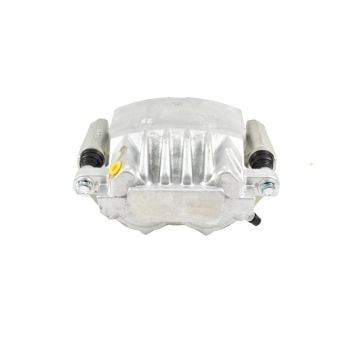 DBA DBAC1074 Street Series Brake Caliper Front Left
Special Price $242.95 Regular Price $312.95
DBA DBAC1074 Street Series Brake Caliper Front Left
Special Price $242.95 Regular Price $312.95
You Save 22% off RRP -
Sale
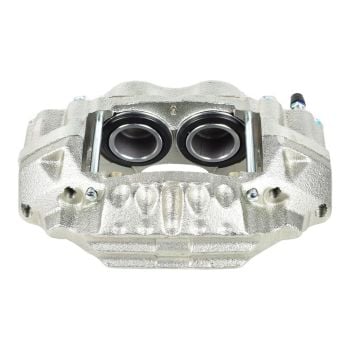 DBA DBAC1007 Street Series Brake Caliper Front Right
Special Price $152.45 Regular Price $210.95
DBA DBAC1007 Street Series Brake Caliper Front Right
Special Price $152.45 Regular Price $210.95
You Save 28% off RRP -
Sale
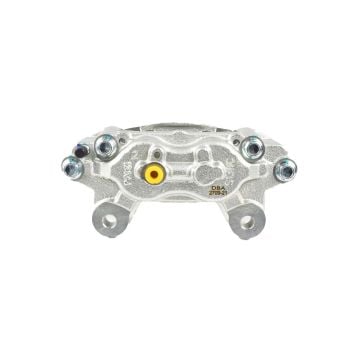 DBA DBAC1013 Street Series Brake Caliper Front Right
Special Price $159.55 Regular Price $220.95
DBA DBAC1013 Street Series Brake Caliper Front Right
Special Price $159.55 Regular Price $220.95
You Save 28% off RRP -
Sale
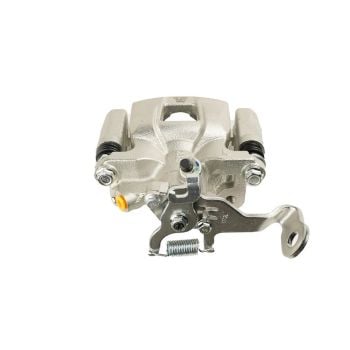 DBA DBAC1302 Street Series Caliper Rear Left
Special Price $170.97 Regular Price $215.95
DBA DBAC1302 Street Series Caliper Rear Left
Special Price $170.97 Regular Price $215.95
You Save 21% off RRP -
Sale
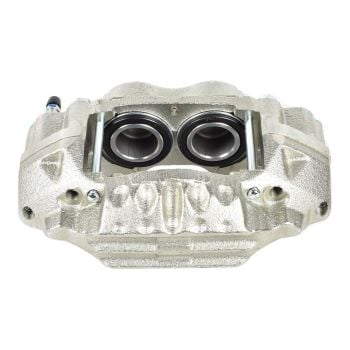 DBA DBAC1006 Street Series Brake Caliper Front Left
Special Price $152.45 Regular Price $210.95
DBA DBAC1006 Street Series Brake Caliper Front Left
Special Price $152.45 Regular Price $210.95
You Save 28% off RRP -
Sale
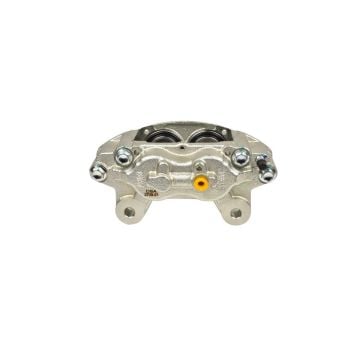 DBA DBAC1012 Street Series Brake Caliper Front Left
Special Price $159.55 Regular Price $220.95
DBA DBAC1012 Street Series Brake Caliper Front Left
Special Price $159.55 Regular Price $220.95
You Save 28% off RRP -
Sale
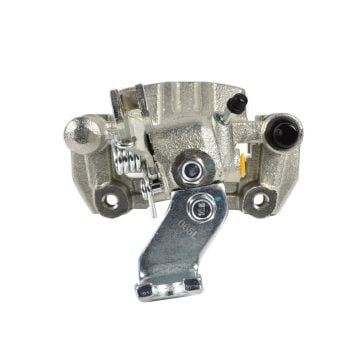 DBA DBAC1038 Street Series Brake Caliper Rear Left
Special Price $184.25 Regular Price $254.95
DBA DBAC1038 Street Series Brake Caliper Rear Left
Special Price $184.25 Regular Price $254.95
You Save 28% off RRP -
Sale
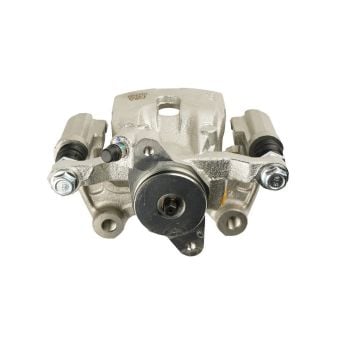 DBA DBAC1409 Street Series Caliper Rear Right
Special Price $186.90 Regular Price $258.95
DBA DBAC1409 Street Series Caliper Rear Right
Special Price $186.90 Regular Price $258.95
You Save 28% off RRP -
Sale
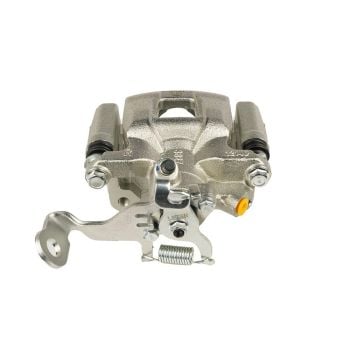 DBA DBAC1303 Street Series Caliper Rear Right
Special Price $170.94 Regular Price $215.95
DBA DBAC1303 Street Series Caliper Rear Right
Special Price $170.94 Regular Price $215.95
You Save 21% off RRP -
Sale
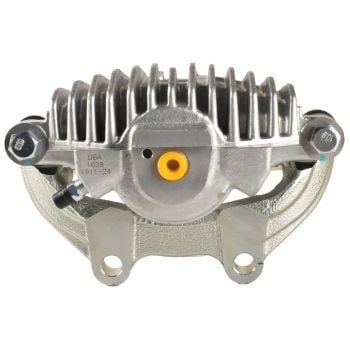 DBA DBAC1628 Street Series Caliper Front Left
Special Price $161.90 Regular Price $215.95
DBA DBAC1628 Street Series Caliper Front Left
Special Price $161.90 Regular Price $215.95
You Save 25% off RRP -
Sale
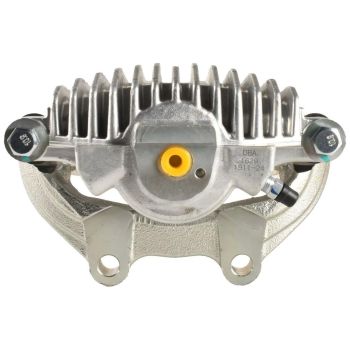 DBA DBAC1629 Street Series Caliper Front Right
Special Price $161.90 Regular Price $215.95
DBA DBAC1629 Street Series Caliper Front Right
Special Price $161.90 Regular Price $215.95
You Save 25% off RRP
Brake Calipers are an essential part of your vehicle's braking system. They are responsible for applying pressure to the brake pads, which then presses against the rotor to slow down or stop your vehicle by converting kinetic energy into heat which is then dissipated by the brake disc rotor.
Frequently Asked Questions
To clean your brake calipers, you will need to remove the wheels and brake pads. You can then use a brake cleaner and a brush to remove any dirt and debris from the calipers. Be sure to wear gloves and eye protection when working with brake cleaner, especially when using with a brush that can flick it every which way.
To depress your brake calipers, you will need to use a brake caliper tool. This tool is designed to push the caliper piston(s) back into the caliper housing, which will allow you to install new brake pads. Be sure to follow the instructions carefully and use the right tool for your vehicle.
Not all brake callipers are created equal, therefore there are a few different approaches to changing brake pads. Most brake callipers will require the loosening of atleast one bolt and removal of another so that you can slide the brake calliper off the disc in order to allow the brake pads to be removed. More advanced brake callipers like those found on high performance vehicles, especially those which are likely to frequent the racetrack, may be designed in such a way that the brake pads can infact be removed without moving the calliper off the disc. In these instances you may need to remove a pin, spring or retainer clip in order to allow the brake pads to be lifted out of the calliper. It is always best to check exactly what the callipers on your particular vehicle require prior to getting stuck into it, and youtube is a great place to find a DIY video on exactly how the callipers on your particular vehicle work. This is also a great time to inspect the discs and callipers for any sign of wear or damage, and to inspect the condition of your brake fluid. Remember to use brake cleaner when doing this rather than degreaser, as brake cleaner is less likely to remove any anti-squeel compount that might be on your brake pads and it also dries without leaving a residue. You may also need one or more brake specific tools to help you get the job done, such as a brake pad spreader or brake wind back tool, which can be found in our Brake and Clutch Tool category.