
-
Sale
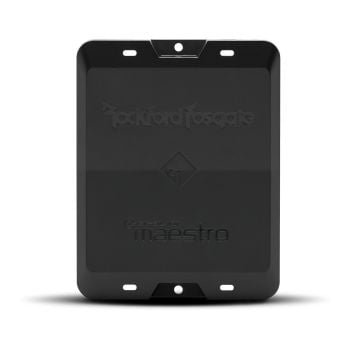 Rockford Fosgate DSR1 8-Channel Interactive Signal Processor with Integrated iDatalink Maestro Module
 Special Price $762.65 Regular Price $789.00
You Save 3% off RRP -
Sale
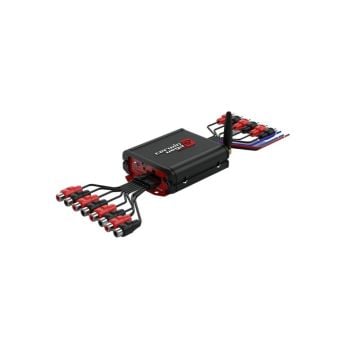 Cerwin Vega CVDSP88 8-Channel Digital Signal Processor
 Special Price $699.00 Regular Price $849.00
You Save $150.00 off RRP -
Sold Out
 AudioControl DM608 D Series Six by Eight Channel DSP
 Special Price $1,111.00 Regular Price $1,199.00
You Save 7% off RRP -
Sold Out
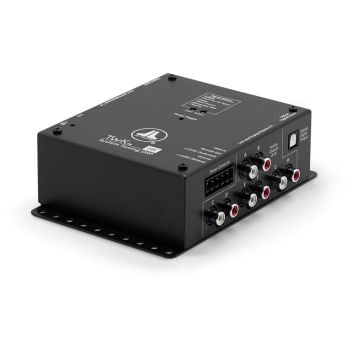 JL Audio System Tuning DSP Digital Signal Processor TwK-88
 Special Price $932.39 Regular Price $979.00
You Save 5% off RRP




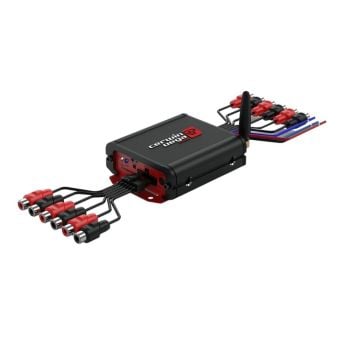
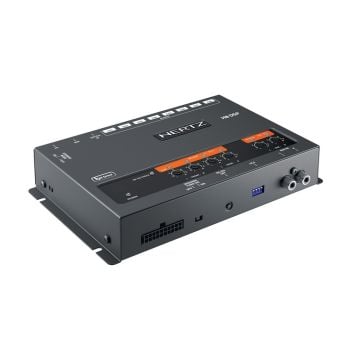

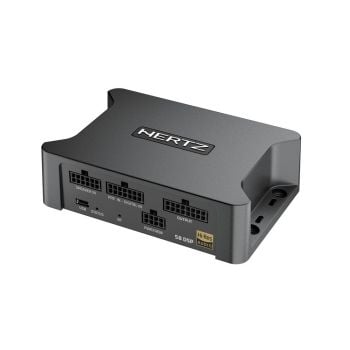


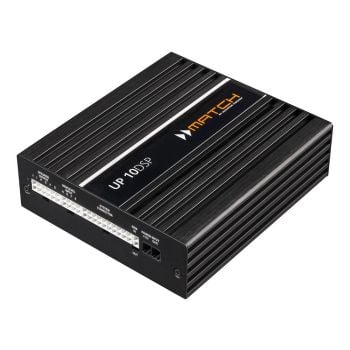
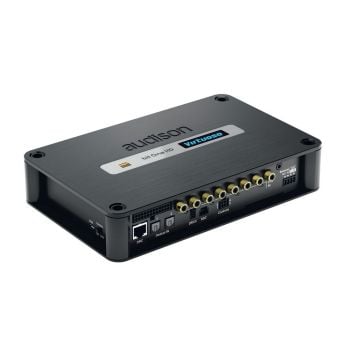


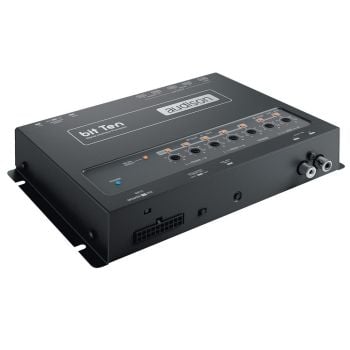
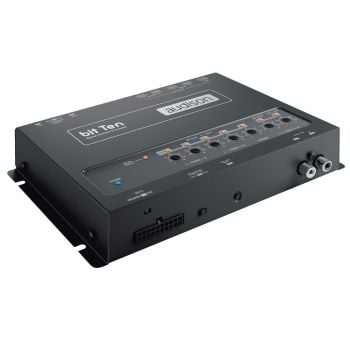
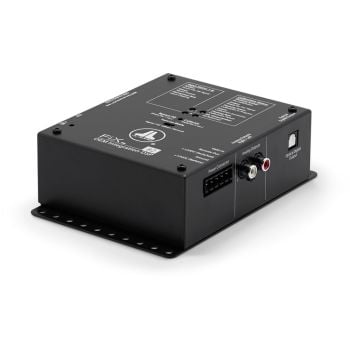
How do I choose the right DSP Processor?
Start by determining how many total DSP channels you require. While your car may indeed have front speakers, rear speakers and a subwoofer, this could be considered anywhere between five channels and 11 channels depending on how many speakers there are for each corner of the car. The full benefits of DSP are only achieved when each individual speaker in the system is powered by its own amplifier channel and has its own dedicated DSP tuning channel.
There are also multiple ways to assign the channels. A 6-channel DSP could be assigned as front pair/rear pair/subwoofer, or it could be assigned as tweeter pair/midrange pair/mono rear fill/subwoofer. Similarly, an 8-channel DSP processor could be assigned tweeter pair/midrange pair/rear pair/subwoofer or tweeter pair/midrange pair/mid-woofer pair/mono rear fill/subwoofer. Thanks to the input matrixing any of the DSP channels can be any output type you desire.
Use our comparison chart system to help you quickly compare the DSP processors you have shortlisted. You can do this by clicking the small vertical bar chart icon in the top right-hand corner of any DSP processor’s listing in the results landing pages – then click the resultant comparison list link.
Since the fundamental DSP processing of each model is essentially the same, this comparison page will give you a look at the aspects of each unit and how they may differ in additional features and performance. From here you can check for features you may find useful like Bluetooth support, supplied or optional remote controller, number of input channels, inclusion of digital inputs, or even sampling rate resolution if something like Hi-Res audio playback is desired.