
These products may be vehicle specific. Add your Rego to see what fits
-
Sale
 Gates 38278 Belt Tensioner Assembly
 Special Price $126.19 Regular Price $183.99
You Save 31% off RRP -
Sale
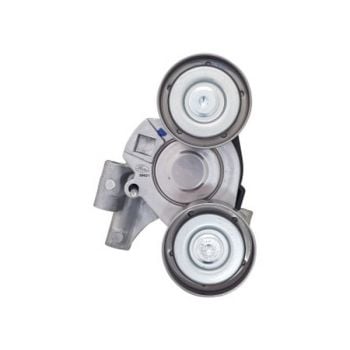 Gates 39421 DriveAlign Belt Tensioner Unit
Special Price $153.10 Regular Price $226.99
Gates 39421 DriveAlign Belt Tensioner Unit
Special Price $153.10 Regular Price $226.99
You Save 33% off RRP -
Sale
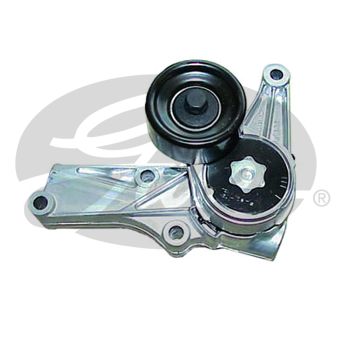 Gates 38210 Automatic Belt Tensioner
Special Price $138.95 Regular Price $182.99
Gates 38210 Automatic Belt Tensioner
Special Price $138.95 Regular Price $182.99
You Save 24% off RRP -
Sale
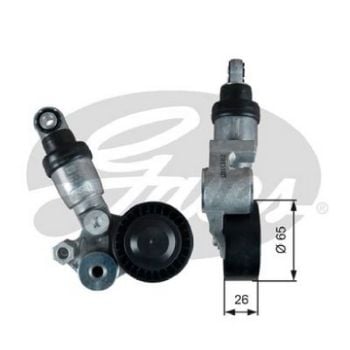 Gates 39390 DriveAlign Belt Tensioner Unit
Special Price $187.65 Regular Price $256.99
Gates 39390 DriveAlign Belt Tensioner Unit
Special Price $187.65 Regular Price $256.99
You Save 27% off RRP -
Sale
 Schaeffler INA Belt Tensioner 534026110
 Special Price $98.50 Regular Price $123.99
You Save 21% off RRP -
Sale
 Schaeffler INA Belt Tensioner 533012910
Special Price $159.10 Regular Price $198.99
Schaeffler INA Belt Tensioner 533012910
Special Price $159.10 Regular Price $198.99
You Save 20% off RRP -
Sale
 Schaeffler INA Belt Tensioner 534043310
Special Price $93.50 Regular Price $112.99
Schaeffler INA Belt Tensioner 534043310
Special Price $93.50 Regular Price $112.99
You Save 17% off RRP -
Sale
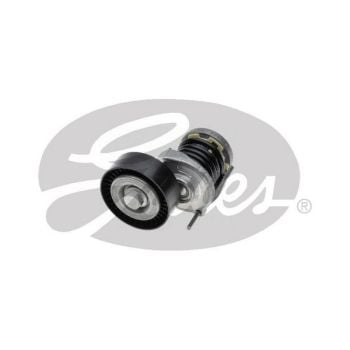 Gates 38427 DriveAlign Tensioner Unit
Special Price $120.00 Regular Price $154.99
Gates 38427 DriveAlign Tensioner Unit
Special Price $120.00 Regular Price $154.99
You Save 23% off RRP -
Sale
 Dayco 132036 Hydraulic Belt Tensioner
 Special Price $67.59 Regular Price $103.99
You Save 35% off RRP -
Sale
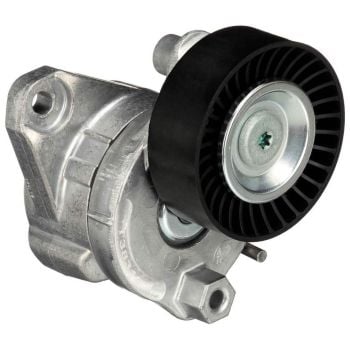
-
Sale
 Schaeffler INA Belt Tensioner 534002110
Special Price $103.50 Regular Price $124.99
Schaeffler INA Belt Tensioner 534002110
Special Price $103.50 Regular Price $124.99
You Save 17% off RRP -
Sale
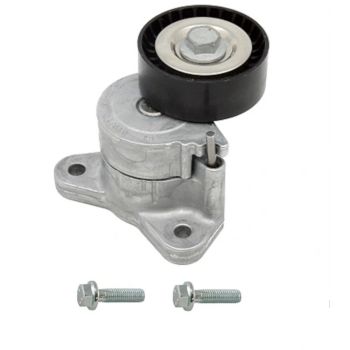 Schaeffler INA Belt Tensioner 534032510
Special Price $74.20 Regular Price $87.99
Schaeffler INA Belt Tensioner 534032510
Special Price $74.20 Regular Price $87.99
You Save 16% off RRP -
Sale
 Gates 38328 DriveAlign Belt Tensioner Unit
Special Price $147.49 Regular Price $190.99
Gates 38328 DriveAlign Belt Tensioner Unit
Special Price $147.49 Regular Price $190.99
You Save 23% off RRP -
Sale
 Schaeffler INA Belt Tensioner 534036010
Special Price $92.40 Regular Price $115.99
Schaeffler INA Belt Tensioner 534036010
Special Price $92.40 Regular Price $115.99
You Save 20% off RRP -
Sale
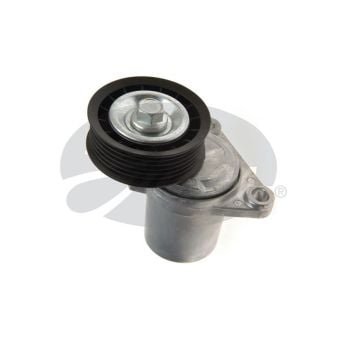
-
Sale
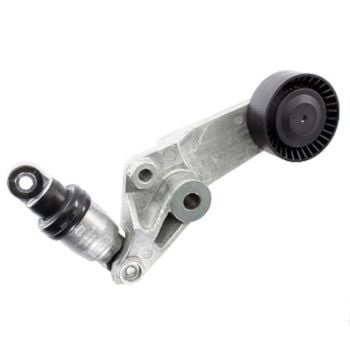 Schaeffler INA Belt Tensioner 534001610
Special Price $99.90 Regular Price $124.99
Schaeffler INA Belt Tensioner 534001610
Special Price $99.90 Regular Price $124.99
You Save 20% off RRP -
Sale
-
Sale
 Schaeffler INA Belt Tensioner 534053410
Special Price $112.40 Regular Price $140.99
Schaeffler INA Belt Tensioner 534053410
Special Price $112.40 Regular Price $140.99
You Save 20% off RRP -
Sale
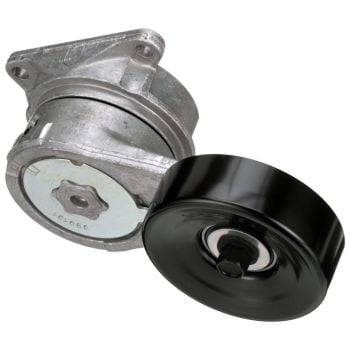
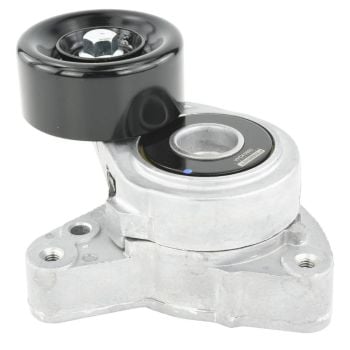

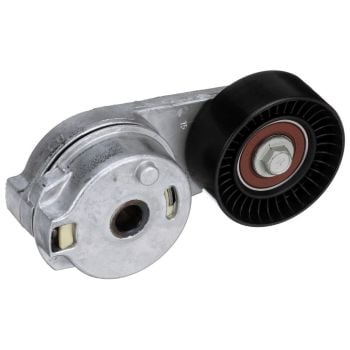
Tensioners help maintain the correct belt tension in an engine’s accessory drive or timing system. They allow the belt to run with the right amount of pressure across pulleys, helping reduce slip, noise, vibration and premature belt wear. A worn or failing tensioner can affect belt tracking and the reliability of the parts driven by that belt.
Brands such as Gates, GMB, Dayco, VAICO and Febest offer tensioner options across many engine applications. The correct tensioner depends on the vehicle, engine, belt layout and whether it is part of the timing system or accessory drive system.
Why Tensioner Condition Matters
A belt tensioner works under constant load and movement. Over time, the spring mechanism, bearing or pulley can wear, which may lead to belt noise, misalignment, vibration or belt failure. In a timing belt system, tensioner condition is especially important because incorrect belt tension can affect engine timing.
Tensioners are often replaced with related belts, idlers and pulleys. Replacing only the belt may not fix the problem if the tensioner or pulley bearing is already worn.
Common Signs You May Need a Tensioner
- Belt squeal: Incorrect belt tension can create noise on start-up or under load.
- Pulley noise: A worn bearing may create grinding, whining or rumbling sounds.
- Belt vibration: The belt may flutter or move unevenly while the engine is running.
- Visible wear: Cracks, movement or misalignment may be seen during inspection.
- Repeated belt failure: A worn tensioner can shorten belt life.
- Accessory issues: Belt slip can affect charging, cooling, steering or air conditioning components.
- Timing service: Timing belt tensioners are commonly replaced as part of a timing belt kit or service.
Choosing the Right Tensioner
The easiest way to find the right tensioner is to use our simple rego finder or manually select your vehicle. This helps narrow the product list to options suited to your vehicle, so you are not sorting through tensioners that may not match your engine, belt layout or pulley design. Always check the product page for any specific notes.
When comparing suitable options, confirm whether the tensioner is for the accessory drive belt, timing belt system or another belt-driven layout. It is also worth checking related belts, idlers and pulleys at the same time.