
These products may be vehicle specific. Add your Rego to see what fits
Shop By
Shop By
-
Sale
 Fel-Pro SFLAFS7733PT2 Full Gasket Set fits Chev Small Block V8 265 283 307 327 350
 Special Price $103.85 Regular Price $106.99
You Save 3% off RRP -
Sale
 Fel-Pro SFL1900 Carburettor Mount Gasket fits Holley 4BBL 4150
Special Price $13.85 Regular Price $13.99
Fel-Pro SFL1900 Carburettor Mount Gasket fits Holley 4BBL 4150
Special Price $13.85 Regular Price $13.99
You Save 1% off RRP -
Sale
 Fel-Pro SFLAFS8347PT Full Gasket Set fits No Intake Ford 302C-351C V8 Cleveland
Special Price $105.85 Regular Price $111.99
Fel-Pro SFLAFS8347PT Full Gasket Set fits No Intake Ford 302C-351C V8 Cleveland
Special Price $105.85 Regular Price $111.99
You Save 5% off RRP -
Sale
 Fel-Pro SFL30060 Water Pump Housing Gasket 2 Req fits Chev BB V8
Special Price $2.85 Regular Price $2.99
Fel-Pro SFL30060 Water Pump Housing Gasket 2 Req fits Chev BB V8
Special Price $2.85 Regular Price $2.99
You Save 5% off RRP -
Sale
 Fel-Pro SFLMS97089 Intake Manifold Gasket Set fits Hemi 6.4
Special Price $37.85 Regular Price $37.99
Fel-Pro SFLMS97089 Intake Manifold Gasket Set fits Hemi 6.4
Special Price $37.85 Regular Price $37.99
You Save 0% off RRP -
Sold Out
 Fel-Pro SFLBS40042 Rear Main Seal Neo fits Ford 302 351 351M 400 Cleveland 5.8L Windsor
Special Price $24.85 Regular Price $25.99
Fel-Pro SFLBS40042 Rear Main Seal Neo fits Ford 302 351 351M 400 Cleveland 5.8L Windsor
Special Price $24.85 Regular Price $25.99
You Save 4% off RRP -
Sold Out
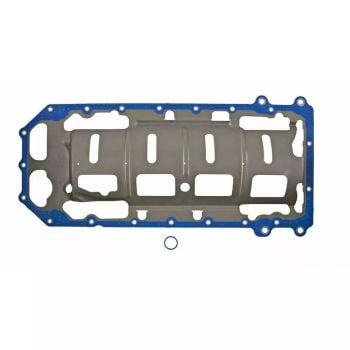 Fel-Pro SFLOS30874R Sump Gasket Set Molded Rubber fits Chrysler Dodge Jeep ESG Hemi 6.4L
Special Price $133.85 Regular Price $134.99
Fel-Pro SFLOS30874R Sump Gasket Set Molded Rubber fits Chrysler Dodge Jeep ESG Hemi 6.4L
Special Price $133.85 Regular Price $134.99
You Save 1% off RRP -
Sale
 Fel-Pro SFL1013 Head Gasket fits Ford 302 351 Cleveland Performance With Steel Ring
Special Price $101.85 Regular Price $104.99
Fel-Pro SFL1013 Head Gasket fits Ford 302 351 Cleveland Performance With Steel Ring
Special Price $101.85 Regular Price $104.99
You Save 3% off RRP -
Sale
 Fel-Pro SFLBS30136 Rear Main Seal Neoprene fits Ford 260 289 302 Windsor Falcon
Special Price $31.85 Regular Price $32.99
Fel-Pro SFLBS30136 Rear Main Seal Neoprene fits Ford 260 289 302 Windsor Falcon
Special Price $31.85 Regular Price $32.99
You Save 3% off RRP -
Sale
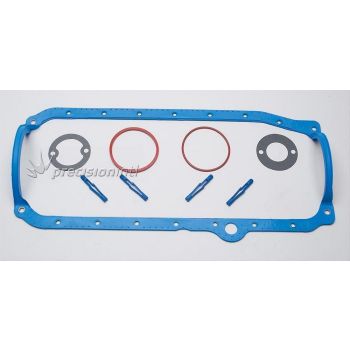 Fel-Pro SFLOS34500R Sump Gasket Set 1 Piece Rubber fits Chev 305 350 V8 1986-2000
Special Price $73.85 Regular Price $73.99
Fel-Pro SFLOS34500R Sump Gasket Set 1 Piece Rubber fits Chev 305 350 V8 1986-2000
Special Price $73.85 Regular Price $73.99
You Save 0% off RRP -
Sale
 Fel-Pro SFL1240 Inlet Manifold Gasket Set fits 2V Suits Ford 351C/400C/400M V8
Special Price $41.85 Regular Price $47.99
Fel-Pro SFL1240 Inlet Manifold Gasket Set fits 2V Suits Ford 351C/400C/400M V8
Special Price $41.85 Regular Price $47.99
You Save 13% off RRP -
Sale
 Fel-Pro SFLTCS45061 Timing Cover Gasket Set fits Ford 302-351C V8 With Seal
Special Price $26.85 Regular Price $26.99
Fel-Pro SFLTCS45061 Timing Cover Gasket Set fits Ford 302-351C V8 With Seal
Special Price $26.85 Regular Price $26.99
You Save 1% off RRP -
Sold Out
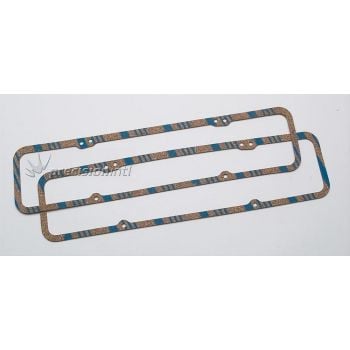 Fel-Pro SFLVS12869 Valve Cover Gaskets fits Chev SB V8
Special Price $18.85 Regular Price $18.99
Fel-Pro SFLVS12869 Valve Cover Gaskets fits Chev SB V8
Special Price $18.85 Regular Price $18.99
You Save 1% off RRP -
Sale
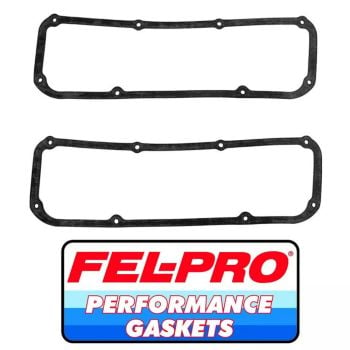 Fel-Pro SFLVS50068R Rubber Valve Cover Gaskets fits Ford 302-351 Cleveland V8
Special Price $20.85 Regular Price $20.99
Fel-Pro SFLVS50068R Rubber Valve Cover Gaskets fits Ford 302-351 Cleveland V8
Special Price $20.85 Regular Price $20.99
You Save 1% off RRP -
Sale
 Fel-Pro SFLVS50088R Valve Cover Gaskets fits Chev 350 86-On Centre Bolt Type & Vortec
Special Price $33.85 Regular Price $33.99
Fel-Pro SFLVS50088R Valve Cover Gaskets fits Chev 350 86-On Centre Bolt Type & Vortec
Special Price $33.85 Regular Price $33.99
You Save 0% off RRP -
Sale
 Fel-Pro SFL1000 Head Gasket fits Buick 196 231 V6 Race Version With Steel Ring
Special Price $125.85 Regular Price $128.99
Fel-Pro SFL1000 Head Gasket fits Buick 196 231 V6 Race Version With Steel Ring
Special Price $125.85 Regular Price $128.99
You Save 2% off RRP -
Sale
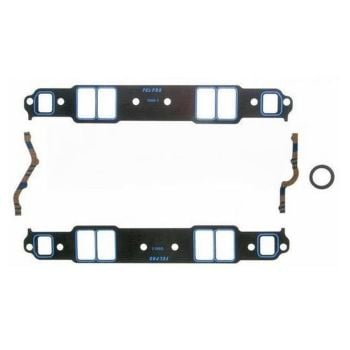 Fel-Pro SFL1206S3 Inlet Manifold Gasket Set fits Lamntd Steel Core Med 1/16 SBC
Special Price $69.85 Regular Price $70.99
Fel-Pro SFL1206S3 Inlet Manifold Gasket Set fits Lamntd Steel Core Med 1/16 SBC
Special Price $69.85 Regular Price $70.99
You Save 2% off RRP -
Sale
 Fel-Pro SFL1415 Exhaust Manifold Gasket Set fits Ford 289-351W V8
Special Price $55.85 Regular Price $55.99
Fel-Pro SFL1415 Exhaust Manifold Gasket Set fits Ford 289-351W V8
Special Price $55.85 Regular Price $55.99
You Save 0% off RRP -
Sale
 Fel-Pro SFLTCS45121 Timing Cover Gasket Set fits Chev SB V8 And 90 6 With Seal
Special Price $19.85 Regular Price $20.99
Fel-Pro SFLTCS45121 Timing Cover Gasket Set fits Chev SB V8 And 90 6 With Seal
Special Price $19.85 Regular Price $20.99
You Save 5% off RRP -
Sale
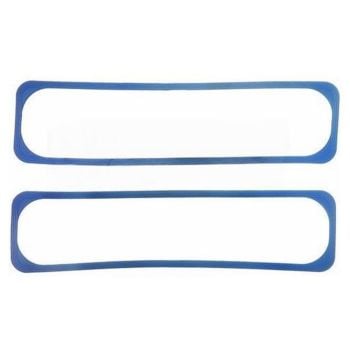 Fel-Pro SFL17931 Valve Cover Set fits Late Chev SB Bolt Holes In Centre Of Cover
Special Price $68.85 Regular Price $69.99
Fel-Pro SFL17931 Valve Cover Set fits Late Chev SB Bolt Holes In Centre Of Cover
Special Price $68.85 Regular Price $69.99
You Save 2% off RRP
What to look for when purchasing a set of jumper cables for my vehicle? How do I tell the difference between low quality and high-performance jumper cables?
While they may seem like little more than a pair of cables with alligator clips at each end, there is a bit to know when purchasing a set of your own to throw in the back of your vehicle. First of all, the quality of the conductors and insulators used in the cables have a huge impact on the performance, longevity and cost of the jumpers, with the cheapest options mostly constructed with aluminium conductors insulated with PVC sheaths. While aluminium can be fine if sized correctly, aluminium is more brittle, and also has a reduced current carrying capacity, when compared to conventional copper conductors. PVC is also less than ideal and, while quite hard wearing it offers little resistance to high temperatures. This can make working with PVC cables a bit of a challenge. At the other end of the quality spectrum you’ll find high quality oxygen free copper conductors wrapped in dual layer insulators consisting of hardwearing PVC wrapped in flexible, abrasion resistant, chemically and UV stable nitrile. Jumper cables made using pure copper insulators and high quality double insulated nitrile sheaths are not cheap, but can provide a lifetime of service provided they are looked after.
Other materials to look out for are aluminium coated copper conductors, which offer excellent conductivity and resistance to corrosion. Copper clad aluminium on the other hand is markedly inferior in almost every measure with the exception of cost, and is best avoided if you’d like to be able to rely on your jumper cables when the time comes to use them. Silicon rubber is also a common insulator type, which is wonderfully flexible however offers little mechanical protection for the conductors, which means they are easily pierced or torn if treated poorly or exposed to rugged conditions.
If you are familiar with the look and feel of PVC verses silicon and nitrile then a physical inspection should be able to tell you what insulator is used. As for the conductors, copper is substantially heavier than aluminium, so the weight of the cable is the best indicator of what is inside.
What are the different types of jumper cables? What are the differences between car jumper cables and heavy-duty jumper cables for trucks?
Most jumper cables consist of a pair of conductors just long enough to bridge the gap between two vehicles when parked nose to nose, terminated on each end by pairs of large alligator clips. Short jumper cables start at a length of approximately 2.5-metres, which is basically the minimum length required to bridge the distance between the batteries in two vehicle. Longer lengths are available, allowing greater flexibility in bridging gaps between the stranded and jumper vehicle. Grabbing longer jumper cables is highly advisable for this reason, especially if yours is an offroad vehicle or a mid-engine vehicle like a work van, however they must necessarily be markedly larger in capacity due to the compounding effect of inline resistance as the cable gets longer. Longer jumper cables capable of transferring the same amount of power as a shorter set will inevitably have a larger cross sectional area, and cost significantly more, due to the increased size of the conductors.
In terms of sizing, how much current you need to start your vehicle largely depends on the the size of the vehicle and the type of engine, but there is a few rough rules of thumb that can be applied. If you have a small to medium sized compact petrol-driven passenger vehicle then you are probably going to be fine using a set of jumper cables rated for 200-Amps of current flow. Medium to large sized petrol-driven passenger vehicles will likely need no more than 400-Amps worth of current capacity. Larger vehicles like pushrod V8s and diesel driven vehicles like dual cabs, 4WDs and light commercial trucks can need 600A plus. Check the current rating of thejumper cables you select prior to purchase to ensure you select a solution that meets the minimum requirements you need for your particular vehicle.
What are the alternatives?
With the advent of lithium battery technology and the proliferation of modern, lithium battery based portable jump starters, you could be forgiven for thinking you may no longer need to carry a good set of jumper leads. Jump starters can however deteriorate over time, or fail outright, so even if you have a modern jump starter pack it is highly advisable to keep a set of jumper leads in your vehicle for situations where your jump starter pack doesn’t cut the mustard.
While not a replacement for a trusty set of jumper leads, you should always have a decent battery charger on hand. This is beneficial for several reasons. First of all, a battery charger will help you ensure your battery is returned to a full state of charge after needing a jump, especially if you aren’t gonna be running the vehicle for a long enough period following the jump to fully recharge it. More importantly, a battery charger can be placed on your circuit racer, 4WD, boat, motorhome or other recreational vehicle when left to sit for an extended period, in order to prevent it from needing a jump in the first place.
How do I use your jumper cables to jump start my car or truck?
When jump starting one vehicle with another, there are a few things you can do to minimise the risk of something going wrong. The first thing to do is get the batteries in each vehicle as close together as you can. This usually involves parking nose to nose, as each battery will usually be located in the engine bay. If the battery is on the left side of one vehicle and the right side of the other, it may also be suitable to park the vehicles with the front quarter panels overlapping. Ensure you do not allow the two vehicles to touch, as they must be electrically isolated from each other in order to avoid damage to the sensitive electronics in each vehicles. Once you have the two vehicles positioned, join the positive posts of each vehicle together using the red jumper cable, starting with the vehicle to be jumped, followed by the vehicle which will be doing the jumping. Double, and triple, check your connections prior to attachment in order to avoid any risk of damage. Next attach the black jumper cable to the negative battery post of the jumping vehicle, then attach the other end of the black jumper cable to a solid grounding point on the vehicle to be jump stated. Some modern vehicles will have a designated point to which you should attach the negative jumper lead, otherwise any quality grounding location should do the job. Do not connect the negative jumper lead directly to the negative post of the battery to be jumped, as this will likely result in a hefty spark that can give you a fright, can damage the battery terminal and can even lead to an explosion in the right conditions. If you vehicle doesn’t have a designated grounding point for attachment of jumper cables then look for a clean and unpainted bolt or similar metal point you can attach the alligator clip to. A shock absorber mounting point is often a good option, if a better one cannot be found. Check to make sure the cables are routed in such a way they do not obstruct any moving parts like the engine belts or thermofan. Next start the jumping vehicle, and leave it running for several minutes.