
-
Sold Out
 EV Charging Cable Type 1 J1772 to Type 2 Single Phase 32A 7.2kW 5mSpecial Price $107.30 Regular Price $359.00
You Save $251.70 off RRP -
Sold Out
 EV Charging Cable Type 2 to Type 2 Single Phase 32A 7.2kW 5mSpecial Price $109.80 Regular Price $358.99
You Save $249.19 off RRP
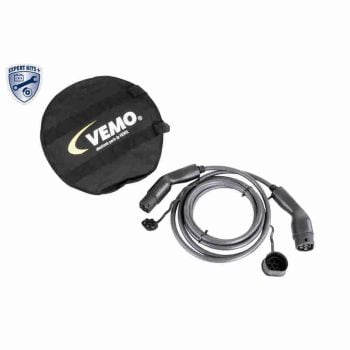

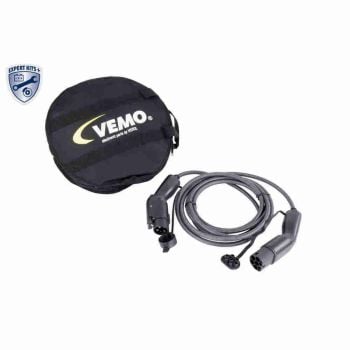
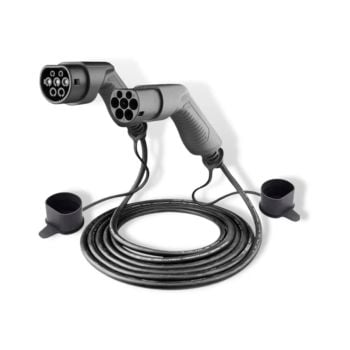

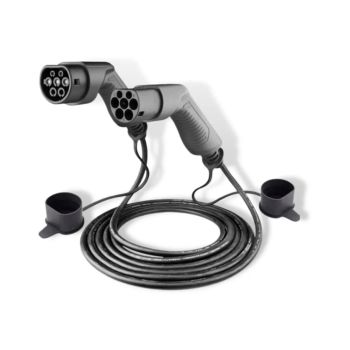
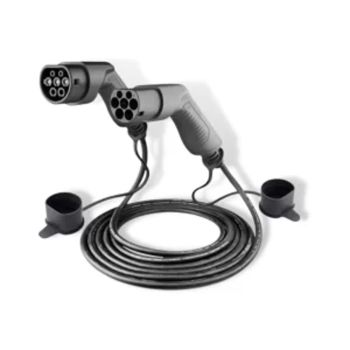
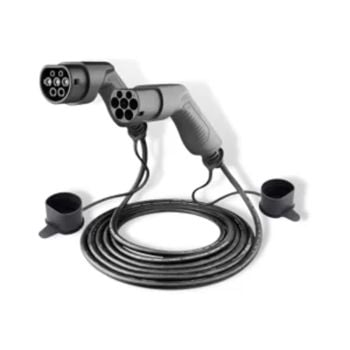
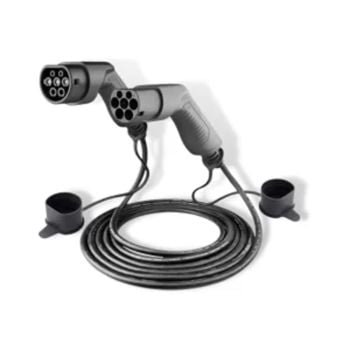
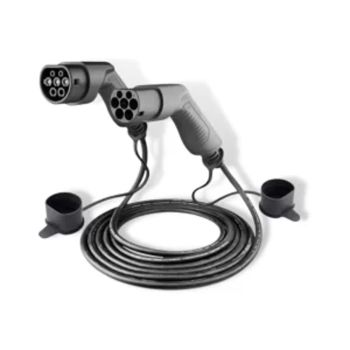
EV Charging Cables
Connect your electric vehicle to compatible home workplace and public charging stations with a reliable EV charging cable. Our range includes charging cables in different connector types power ratings and lengths to suit a variety of electric vehicles and charging setups.
An EV charging cable is essential when using an untethered charger with a socket instead of a permanently attached lead. Keeping the correct cable in your vehicle also gives you access to more compatible AC charging stations while travelling.
Which EV charging cable do I need?
The right cable depends on the charging port fitted to your vehicle the socket on the charging station and the maximum AC charging rate supported by your vehicle. You should also choose a cable length that can comfortably reach your vehicle in different parking positions.
Type 1 or Type 2 EV charging cable?
Check your vehicle charging port or handbook before ordering. Connector types can vary between models and production years from the same manufacturer.
Type 1 charging cables
Type 1 connectors are found on some older electric vehicles and plug-in hybrids in Australia. These can include selected earlier Nissan LEAF Mitsubishi Outlander PHEV and BMW i3 models.
A Type 2 to Type 1 cable allows a compatible Type 1 vehicle to connect to a charging station with a Type 2 socket.
Type 2 charging cables
Type 2 is the standard AC charging connection used by most newer electric vehicles sold in Australia. It is used across many current models from Tesla BYD Hyundai Kia MG Polestar Volvo Mercedes-Benz BMW Audi Volkswagen Nissan Chery Deepal Geely XPENG and Zeekr.
A Type 2 to Type 2 cable connects a vehicle with a Type 2 charging port to an untethered charger with a Type 2 socket. Most public AC charging stations in Australia use Type 2 connections.
Always confirm the charging port fitted to your specific vehicle before purchasing a cable.
7 kW or 22 kW charging cable?
7 kW single phase cables
A 7 kW cable is a practical choice for vehicles that support single phase AC charging. These cables are generally lighter more flexible and easier to store than 22 kW cables which makes them convenient for everyday home and public charging.
22 kW three phase cables
A 22 kW Type 2 cable can be used with compatible 7 kW 11 kW and 22 kW Type 2 chargers and vehicles. The actual charging speed will always be limited by the lowest-capacity component in the charging setup including the charger cable and vehicle.
A 22 kW cable is generally the more future-proof option because it supports single phase charging while also allowing three phase charging if you later change vehicles or use a higher-powered charging station. The trade-off is that a 22 kW cable is usually heavier thicker and more expensive than a 7 kW cable.
What cable length should I choose?
A 5 metre cable suits many standard home workplace and public charging layouts. A 7 metre or 10 metre cable provides more flexibility when the charging station is further from the vehicle or the parking position varies. Longer cables offer additional reach but are heavier and require more storage space so choose the shortest length that will comfortably suit your usual charging locations.
Before purchasing an EV charging cable
- Confirm whether your vehicle uses a Type 1 or Type 2 AC charging port.
- Check that the charging station has a compatible socket.
- Confirm the maximum AC charging rate supported by your vehicle.
- Choose between a lighter 7 kW cable and a more future-proof 22 kW cable.
- Select a cable length that will reach the vehicle without tension.
- Check that the cable is approved for use in Australia.
EV charging cables are designed to connect a vehicle directly to compatible electric vehicle supply equipment. They should not be joined together or used as extension leads. Inspect the cable and connectors regularly and stop using the cable if you notice damage excessive wear or exposed components.