
Not sure if it Fits? Click "Parts Checker"
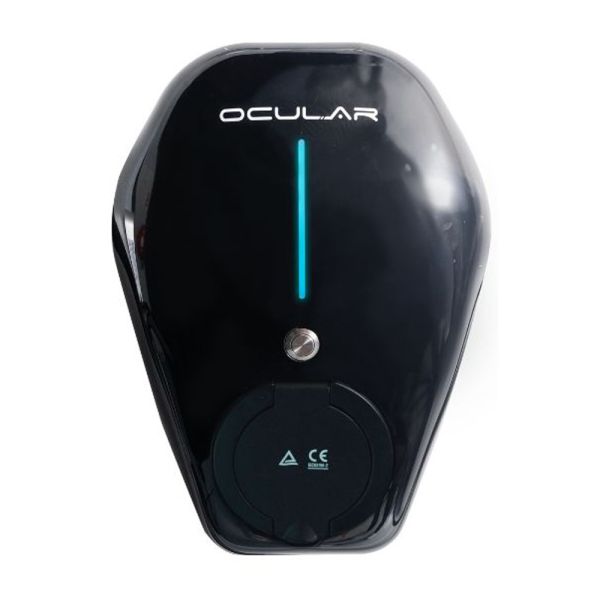
Ocular IQ Mini 22kW Commercial EV Charger with Type 2 Socket
Part No.
IOCAH30-22SE-RW-M

$1,479.00
Buy Now, Pay Later


4 payments of $369.75

Add-ons
-
 M81 PD65W Charger & Cable Pack USB C-C and A-LightningSpecial Price $45.00 Regular Price $89.00
You Save 49% off RRP -
 Automotive Superstore Mechanics Gloves AS-GLOVESSpecial Price $4.90 Regular Price $4.95
You Save 1% off RRP -
 M81 USB Type A to Type C 1m Charging Data CableSpecial Price $5.99 Regular Price $19.99
You Save 70% off RRP -
 M81 USB Type A to Lightning 1m Charging Data CableSpecial Price $5.99 Regular Price $19.99
You Save 70% off RRP -
 M81 USB Type C to Type C 60W 1m Charging Data CableSpecial Price $5.99 Regular Price $19.99
You Save 70% off RRP -
 M81 USB Type C to Lightning 27W 1m Charging Data CableSpecial Price $5.99 Regular Price $19.99
You Save 70% off RRP
Ocular IQ Mini 22kW Commercial EV Charger with Type 2 Socket
$1,479.00
Description
Welcome to the future of apartment charging with the IQ Mini, the cutting-edge charging solution is designed to meet the needs of modern electric vehicle owners, offering versatility, efficiency, and convenience at their doorstep.
Built to withstand the Australian elements, it comes with IP55 protection, ensuring reliable performance in any weather conditions. The unit's compact design makes it ideal for apartment settings, allowing for easy installation and seamless integration into your home. Equipped with a 5m type 2 cable, the charger offers convenient and hassle-free charging for your EV