
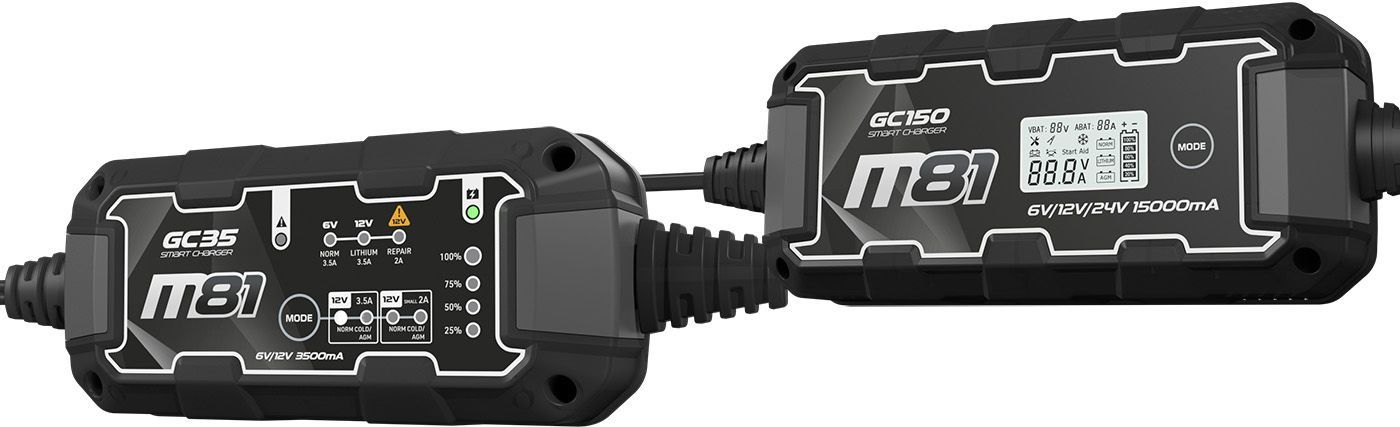
There are a few things to get your head around to ensure safe and efficient charging when it comes to the battery in your car, bike, boat or caravan. In this guide, we outline to the 10 most important things to note, so to ensure you preserve the performance of your battery and avoid any potential safety issues along the way.
Battery Compatibility: Ensure the charger is compatible with the type and voltage of your battery. For example, select a battery charger with discrete settings to suit the type of battery chemistry and capacity to suit the battery(ies) you want to charge.
Charging Mode Selection: Understand the various charging modes offered by the charger, such as bulk, absorption, float, and maintenance modes, and select the appropriate mode for your battery's condition and requirements.
Proper Connection: Follow the manufacturer's instructions for connecting the charger to the battery, ensuring correct polarity and secure connections to prevent accidents or damage.
Charging Location: Charge the battery in a well-ventilated area with sufficient airflow to dissipate heat generated during the charging process and minimize the risk of gas buildup.
Monitoring: Regularly monitor the charging progress using the charger's indicators or display screen to ensure the process is proceeding as expected and intervene if necessary.
Safety Features: Familiarize yourself with the charger's safety features, such as reverse polarity protection, short circuit protection, and overcharge protection, to prevent accidents or damage to the battery and charger.
Temperature Sensing: Be aware of the charger's temperature sensing capabilities and avoid charging the battery in extreme temperatures that may affect the charging process or battery health.
Maintenance Mode: Utilize the maintenance or trickle charge mode if available, especially for batteries in vehicles that are not used frequently, to keep the battery topped up at a safe level without overcharging.
Diagnostic Features: Take advantage of any diagnostic features offered by the charger to assess battery health and identify potential issues early, such as sulfation or low voltage.
Manufacturer Recommendations: Always refer to the manufacturer's instructions and guidelines for proper charging procedures specific to your battery type and charger model to ensure optimal performance, safety, and longevity.
By understanding these important aspects of charging with a modern intelligent battery charger, you can effectively maintain and prolong the life of your vehicle's battery while ensuring safe and efficient charging practices.


