
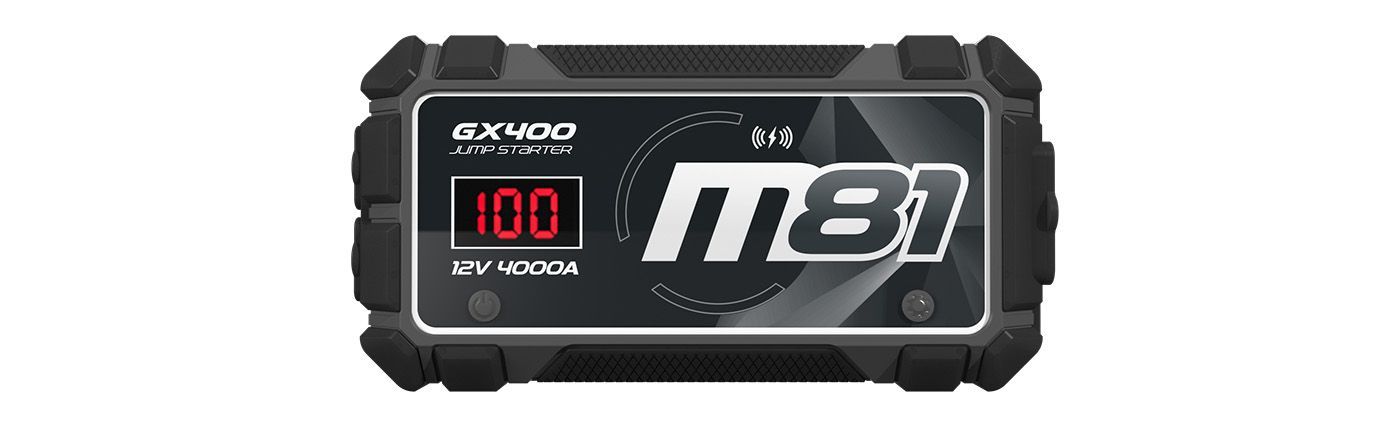
When it comes to indispensable tools to have with you when you head out from civilisation, you’d be hard pressed to find something more essential than a modern jump starter pack. Jump starters are valuable tools for starting a vehicle with a dead battery, but it's essential to use them properly in order to ensure you avoid accidents and possible injuries. Here are seven safety procedures to follow when using a jump starter:
Jump Starter Safety Procedures
Using a portable jump starter pack to start your vehicle in the event it's starting battery has been allowed to discharge to a level it is no longer able to crank the start motor with the requisite vigor can get you back on the road to civilisation in no time flat. However there are a few safety proceedures you should take the time to peruse to ensure you get many years of safe and reliable service from it.
Read the User Manual: Before using a jump starter, thoroughly read the user manual provided by the manufacturer. Different jump starters may have specific instructions and safety precautions that you need to be aware of.
Inspect the Jump Starter: Before use, inspect the jump starter for any visible damage, frayed wires, or other issues. Ensure that the cables, clamps, and connectors are in good condition. Do not use a damaged jump starter, as it can pose a safety risk.
Ensure Proper Connection: Make sure the vehicle is in the "off" position before connecting the jump starter. Connect the positive (+) clamp to the positive terminal of the dead battery and the negative (-) clamp to a suitable ground on the vehicle (e.g., a bare metal part of the engine block). Avoid attaching the negative clamp to the negative terminal of the dead battery to reduce the risk of sparks near the battery.
Follow the Correct Sequence: Connect the jump starter to the dead battery following the correct sequence. Typically, the recommended order is to connect the positive clamp first, followed by the negative clamp. When disconnecting, remove the negative clamp first and then the positive clamp.
Maintain Safe Distance from Moving Parts: Keep the jump starter and its cables away from moving parts of the engine, such as fans and belts. Secure any loose clothing and jewellery to prevent them from getting caught in the engine components.
Do Not Touch Battery Terminal Clamps Together: Avoid allowing the positive and negative clamps to touch each other while the jump starter is connected to the battery. This can create a short circuit and potentially damage the jump starter or the vehicle's electrical system.
Monitor Ambient and Jump Starter Temperature: Pay attention to the ambient temperature and the temperature of the jump starter during use. If it becomes excessively hot, disconnect it and allow it to cool before attempting to use it again. Overheating may indicate a problem with the jump starter or improper use.
By following these safety procedures, you can minimize the risks associated with using a jump starter and ensure a safe and effective jump-starting process.
Jump Starter Safety Features
While a little presence of mind goes a long way to ensure safe operation of your jump starter, we’re all human and, as such, are capable of making the odd boo-boo on occasion. Accordingly, it is worthwhile taking the time to familiarise ourselves and understanding the kinds of safety features commonly found on jump starter packs. Below we have listed
Over-Current Protection: Over-current protection guards against current flow high enough to damage batteries and/or the jump starter itself. This is particularly relevant when jump starting a highly depleted battery which is capable of high current delivery, as the internal resistance could be such that it leads to overload or damage to the jump starter.
Short-Circuit Protection: Short -circuit protection guards against the catastrophic impacts of accidently connecting the battery terminal clamps of the jump starter, which might otherwise lead to a dangerous situation.
Spark-Proof Technology: Lead-acid battery are designed to vent when charging or discharging leads to the generation of explosive gas within the battery case. This explosive gas is a dangerous combination of hydrogen and oxygen, and is a result of electrolysis taking place within the electrolyte of the battery. Accordingly, a battery featuring spark-proof technology provides an added layer of safety, especially if your battery is charged or discharged in a confined space.
Reverse Polarity Protection: Reverse Polarity protection prevents catastrophic failure of the battery or jump starter resulting from connecting the battery terminal clamps of the jump starter with the battery terminals of the battery in reverse. Prevents damage to your vehicle or the jump starter by alerting you if you've connected the cables incorrectly.
Thermal Protection: Thermal protection stops the jump starter from operating in instances where the safe operating temperature of the jump starter has been exceeded. This not only helps to preserve the service life of the jump starter, it also helps to prevent a catastrophic failure of the battery inside the jump starter, which can be a concern with Lithium-based jump starter packs.
Over-Voltage Protection: Over-voltage protection guards against the jump starter attempting to start a car battery that has a dangerously high terminal voltage that is incompatible with the jump starter.
Under-Voltage Protection: Under-voltage protection guards against the jump starter attempting to start a car battery that has a dangerously low terminal voltage that is incompatible with the jump starter.
Selecting a jump starter with some or all of the above listed safety features can be well worth the effort when it comes time to purchase a jump starter pack, not only for protecting yourself but your loved ones and property also.


