
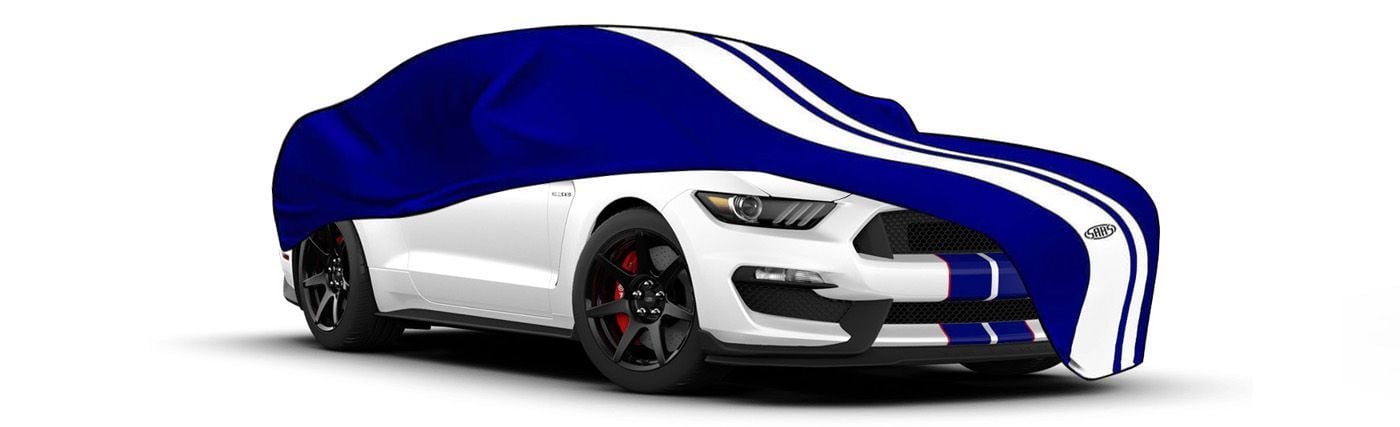
Car covers are made from a variety of materials, each with their own set of unique selling points and shortcomings. The particular material used for any given car cover depends on the type of car cover, the intended-se application, along with the specific level of protection required and the price point targeted. Here are some common materials used in car covers:
Acrylic: Acrylic car covers are known for their excellent UV resistance. They are great for use in regions with high insolation to prevent paint fading and damage to the vehicle's exterior. Acrylic covers are generally designed for outdoor use.
Canvas: Canvas car covers are heavy-duty and durable. They are suitable for long-term outdoor storage and can withstand harsh weather conditions. Canvas covers are often used for classic cars and vehicles that need maximum protection.
ePE (expanded polyethylene): ePE is a type of fabric that boasts a high strength-to-weight, providing a high-performance material that is both lightweight and high resilience to wear and degradation. ePE also provides a sustainable alternative to polystyrene, providing a higher quality product with a lower environmental footprint.
Polypropylene: Polypropylene is a breathable material that is often used to make indoor car covers. It provides excellent protection against dust, dirt, and light moisture. Polypropylene covers are lightweight and easy to handle.
Polyester: Polyester is lightweight, durable and offers excellent resistant to UV rays. Polyester car covers are often treated with coatings to make them water-resistant or waterproof. They are generally suitable for both indoor and outdoor use.
Microfibre: Microfibre car covers are soft and gentle on your vehicle's finish. They are designed to protect against dust, dirt, and minor scratches. Microfibre covers are primarily used for indoor storage.
Nylon: Nylon is another lightweight and durable material used for car covers. It's known for its superior strength and abrasion resistance. Nylon covers can provide good protection against dust, dirt and light moisture.
PEVA (polyethylene vinyl acetate): Similar in strength, resilience and feel to PVC, PEVA represents a healthier alternative to PVC, which is a known carcinogen. PEVA is used in car covers as a healthier alternative to PVC.
PVC (polyvinyl chloride): PVC is a cost-effective synthetic plastic polymer material that is used in myriad household items from lunchboxes to car covers, and everything in between. It is both cheap and extremely durable.
Vinyl: Vinyl car covers are heavy-duty and typically waterproof. They are excellent for protecting your vehicle from rain, snow, and other forms of precipitation. Vinyl covers are generally not breathable, so it's important to ensure proper ventilation to prevent moisture buildup.
When choosing a car cover it is critical to consider the specific intended-use application you need it for, the kind and magnitude of protection you are after and the unique climactic conditions in your region. Carefully selected, a suitably selected car cover can provide effective protection and help to extend the life and appearance of your vehicle.


