

The battery in your car is something you likely give little thought to, that is until it begins to underperform or suffers a failure. While not normally subject to period maintenance or even inspection, a typical car battery is likely to need replacement every 3 to 5 years for a standard flooded or maintenance-free silver calcium type battery, or 5 to 7 years for a premium valve regulated lead-acid type (VRLA) AGM or Gel technology battery. Accordingly, you should be replacing the battery in your vehicle about as often as you replace your tyres to avoid becoming stranded and being forced to find a less than ideally suited or priced replacement at a most inconvenience time. Browse our extensive range of lead acid and lithium technology batteries below to find the right solution to suit your intended use application.
What are the difference types and styles of lead acid battery?
There are 3 main things you need to get your head around when purchasing a new battery for your vehicle, boat, caravan, camper trailer or truck. These are application, technology and intended use. Application refers to what type of duties the battery will be required to perform, whether it be for starting an engine, powering accessories when the engine isn't running or a combination of both. Technology refers to the chemistry of the battery, whether it be a lead acid or lithium, and further what type, whether it be a flooded or AGM type lead acid or a Lithium-ion Phosphate or lithium Cobalt Oxide type lithium. Intended use refers to what the battery will be installed into, whether it be a bike, boat, mower, scooter, jetski and so forth.
Other things to take note of include brand, country of origin and, perhaps most importantly, warranty period, as not all batteries are created equal and the provenance of a given battery and the confidence the manufacturer has in its ability to maintain an agreeable service life are key indications of what you are getting for your money. Batteries made by renowned specialist battery manufacturers that do nothing but make batteries, manufactured in places like the USA, EEC and Australia or which are offered with a 5-year warranty as opposed to a 1 year warranty all bode well.



What are the different battery applications?
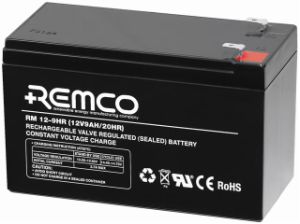
Standby Batteries
Standby batteries are mostly used for backup situations where the battery is unlikely to be called upon to deliver large amounts of power like a starting battery, or to be cycled like a deep cycle battery. Standby batteries are usually used as a last resort, for use in the event of a power outage or similarly rare situation. Standby batteries have both low current delivery and capacity, and aren't really suitable for any application in the automotive or leisure markets. Some of the cheapest lead acid batteries marketed here in Australia are batteries designed for standby applications but have been relabelled as deep cycle batteries. Standby batteries offer poor performance and service life when used in either starting or deep cycle applications, or when exposed to the harsh conditions commonly encountered in the automotive, offroad and leisure markets.
Starting Batteries
Starting batteries are self-explanatory, being designed for starting internal combustion engines. These lead acid batteries are designed with thinner plates, which increases surface area, allowing for higher cranking amps. Their thin plate construction, which make them ideally suited for starting applications, render them susceptible to degradation if subjected to deep cycle use, as the thin plates are easily warped when subjected to sustained high current draw or deep discharge. It is for this reason that most starting batteries have had the stalk if allowed to discharge to a significant degree, making the difficult to restore.
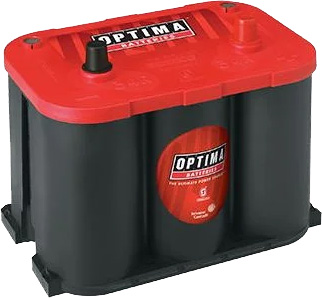
Deep Cycle Batteries
Deep cycle batteries are designed with substantially thicker anode and cathode plates than comparable starting batteries. This thicker plate construction endows deep cycle batteries with a high level of resilience to the type of heavy cyclic use that would quickly destroy a lead acid battery designed for starting applications. These thicker plates can be subjected to persistent current delivery between charges without warping, allowing them to be subjected to a deep level of discharge, over and over, without suffering a significant reduction in capacity. These thicker plates do suffer in terms of power delivery, with the reduction of surface area meaning they are less capable of delivering the high current demanded when starting a vehicle.
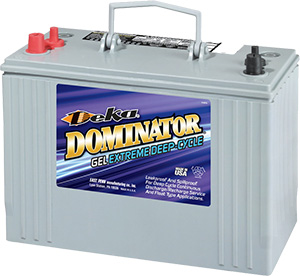
Dual Purpose Batteries
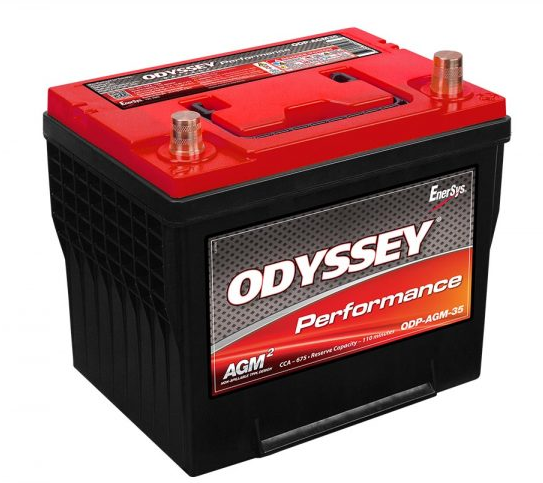
Dual-purpose batteries attempt to have it both ways, providing high current delivery suitable for vehicle starting while also offering some level of resilience to heavy cyclic use. They do however strike a compromise between the two, which is a very difficult thing to do and is why the most effective dual-purpose batteries are those manufactured by the major players including Johnson Controls and East Penn Manufacturing, respectively the largest publicly owned and largest privately owned battery manufacturers in the world. If you are after a quality dual purpose battery because you do not have room for a dual battery setup or simply want the very best chemistry available, then the best brands to look for are Optima, Odyssey and Deka to name a few from the short list of premium VRLA batteries. You will obviously spend a bit more however your investment will pay dividends when compared with the performance and service like that can be achieved by manufacturers with the latest manufacturing processes and most stringent regime of quality control checks.
What are the different battery technologies?
Not all lead acid battery technologies are created equal. Indeed, far from it, with a wide range of variations in chemistry, construction and technology which have a huge impact on performance, service life and cost.
Flooded (Wet) Batteries
Flooded lead acid batteries are conventional lead acid batteries which utilise a conventional liquid electrolyte that isn't suspended in a substrate or thickened into a gel like consistency. These batteries are also known as splash and spill type batteries due to the fact their electrolyte can leak out of the case if not kept vertical. Unlike more advanced lead acid type designs, such VRLA AGM and Gel batteries, flooded batteries are free to breathe with the atmosphere, so do suffer some loss of electrolyte through evaporation and gassing during charging/discharging. These batteries generally allow the caps of the cells to be removed by the user so that the electrolyte can be replenished in the event the electrolyte falls below the level required to ensure the plates remain fully submersed.
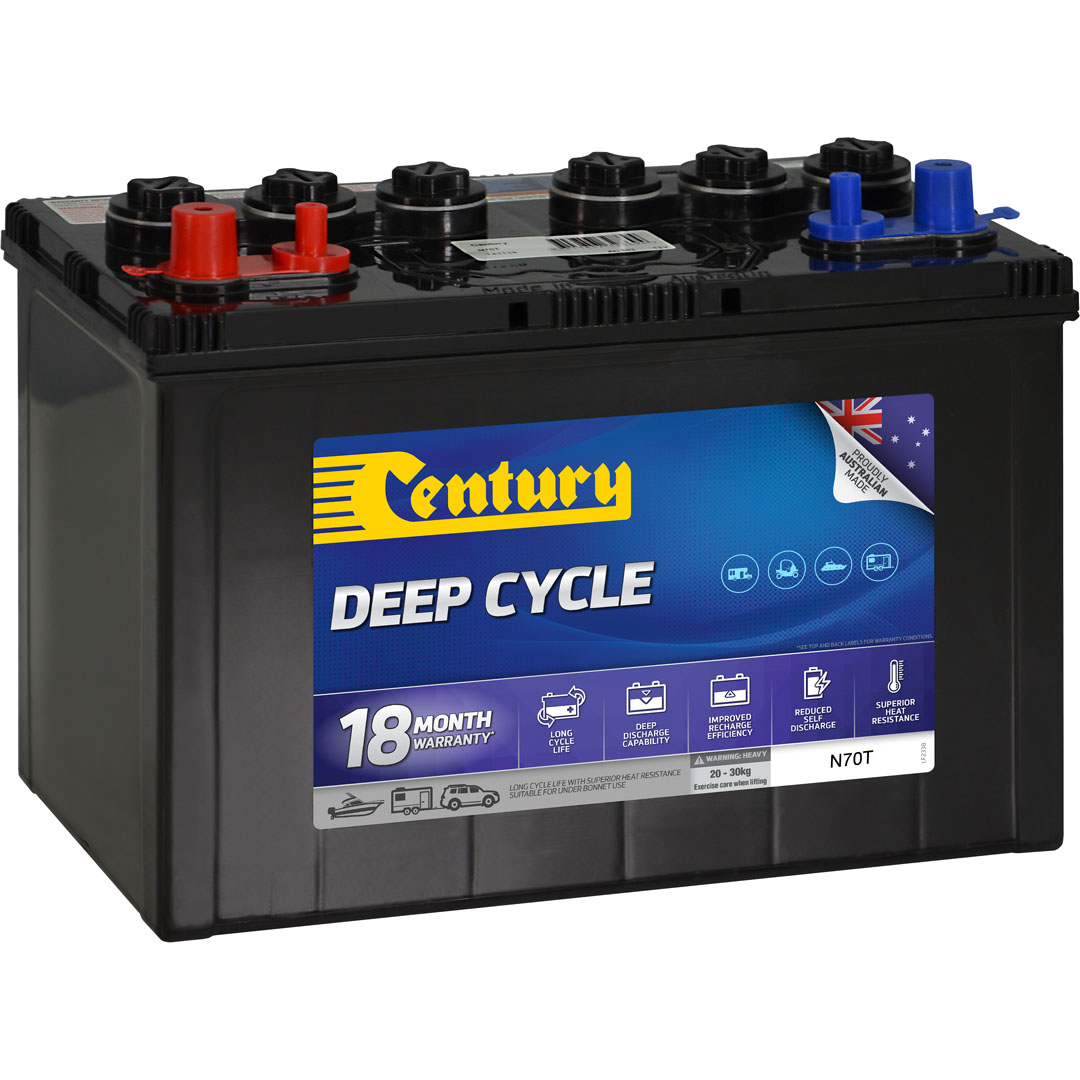
Maintenance-Free Silver/Calcium (Sil/Cal) Batteries
Maintenance-free lead acid type batteries, and more often than not based on a silver-calcium antimony mixture (metal alloy) that allows the battery to exhibit a lower rate of electrolyte loss through evaporation and gassing, hence the maintenance-free part of the name. These batteries are a semi-sealed design that generally caps the cells and prevents maintenance being performed. Maintenance-free silver/calcium batteries will generally last longer in a given starting application compared to a flooded type battery a result of their more advanced design, and are still quite an affordable and efficient design, especially when compared to more advanced AGM type VLRA AGM and Gel type premium alternatives.
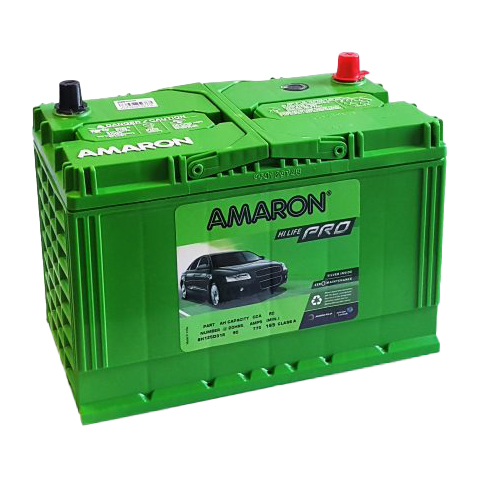
Dry Charged AGM Batteries
Dry charged AGM type batteries combine the cost effectiveness of a conventional splash and spill (flooded) type battery with the superior performance, service life and maintenance free operation of an AGM tyre battery. The result is a more affordable battery that offers some of the highly regarded features native to higher performing AGM VRLA type batteries costing substantially times more. Dry Charged AGMs are preactivated at the factory however are delivered with the electrolytic acid in a separate container. This allows the battery to enjoy an effectively limitless shelf life, ensuring the battery is effectively brand new and able to perform as if it left the factory the day before, no matter how much time has passed between the date of manufacture and installation into your vehicle, toy or towable accommodation.
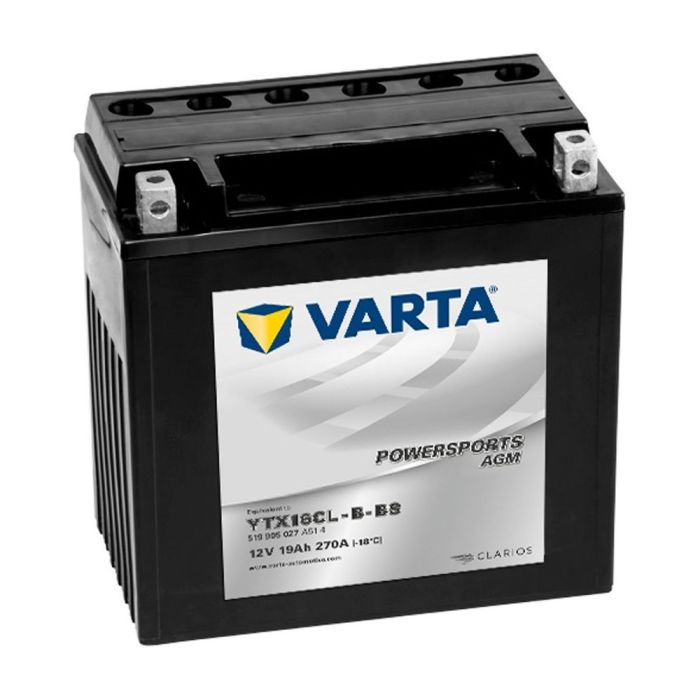
Enhanced Flooded Battery (EFB) Batteries
Enhanced flood batteries are used in situations where the convenience and enhanced performance of an AGM type battery is desired but the increased cost cannot be justified. Economy class start-stop applications in small Korean made passenger cars is a perfect example of when an EFB type battery offering maintenance free operation is desired but the affordability of a conventional splash and spill type flooded battery required. EFBs share many similarities with maintenance free silver-calcium type starting batteries however integrate reinforced, heavier plates and exhibit improved carge acceptance and greater cycle durability.
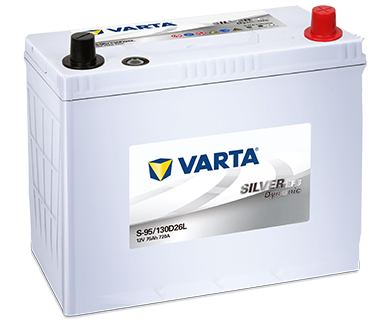
Sealed Lead Acid (SLA) Batteries
Sealed lead acid type batteries are mostly use in smaller stationary power applications like home alarm backup batteries and computer UPS system, but are also popular for use in mobility scooters and ride-on kids toys. They are also used in the leisure market as deep cycle power storage for caravans, motorhomes and other towable accommodations. SLAs are rarely used in vehicles as they aren't optimised for starting applications, aren't capable of supplying high current transients or sustained discharge, and are rather suited to general purpose or standby applications. Their lack of safety pressure relief valves, as found in a higher performing valve regulated lead acid batteries, as a key reason why they are no good for higher current applications. SLAs also generally feature a case material that isn't well suited for under bonnet mounting, as they lack the thermal and chemical resistance inherent with most other types of lead acid batteries. SLAs can be ok for fitment into a caravan, campervan, camper trailer or similar towable toy, but are generally no good for use in the tow vehicle.
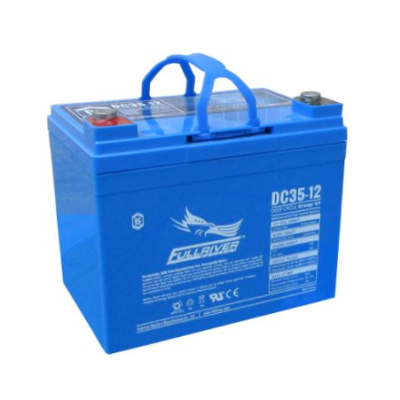
Valve Regulated Lead Acid (VRLA) Absorbed Glass Mat (AGM) Batteries
VRLA AGMs or valve-regulated absorbed glass mat lead acids are sealed, maintenance free batteries. This type of lead acid battery technology is employed across many higher grade starting, deep cycle and dual purpose applications. Intended use applications that AGM type batteries are suitable for include premium, sports and luxury passenger vehicles featuring stop-start technology, necessitated due to the increased current demands and requirement for a battery with greater resilience to deep discharge and an ability to recovery quickly. VRLA AGMs are the premium choice for single and dual battery setups in a range of 4WD applications due to their excellent ability to combine high current delivery and capacity, combining the ability for strong starting power and strong resistance to deep discharge.
Absorbed Glass Mat refers to the material used to suspend the liquid electrolyte, preventing it from sloshing around inside the case. Suspending the electrolyte in this way endows the battery with excess resilience to the type of shock and vibration inherent to automotive applications, particularly when it comes to those likely to see a lot of backroads, fire trails and unbeaten tracks. VRLA AGMs also feature seals which are designed to remain closed in all but the most extreme situations, minimising the venting of hydrogen gas during charge and discharge, instead containing gases to be recombined under all but the most extreme conditions. Under the most extreme condition, when the integrity of the containing case is at risk, these valves are designed to relieve pressure so to prevent the case from becoming a bomb with explosive potential.
The valves in a VRLA have a difficult job to do. They must remain closed until a predefined pressure, and reliably vent when this threshold is exceeded. They must also be able to do this time and time again, should circumstances demand it, and function in one direction only in order to prevent air from making its way into the case where it can degrade the plates, which can lead to premature deterioration of the battery. Designed with extremely tight tolerances to function effectively, and prevent potentially dangerous situations, paying a little bit more for the right VRLA made by a reputable manufacturer with a strong track record and peerless experience in the field is a worthy investment.
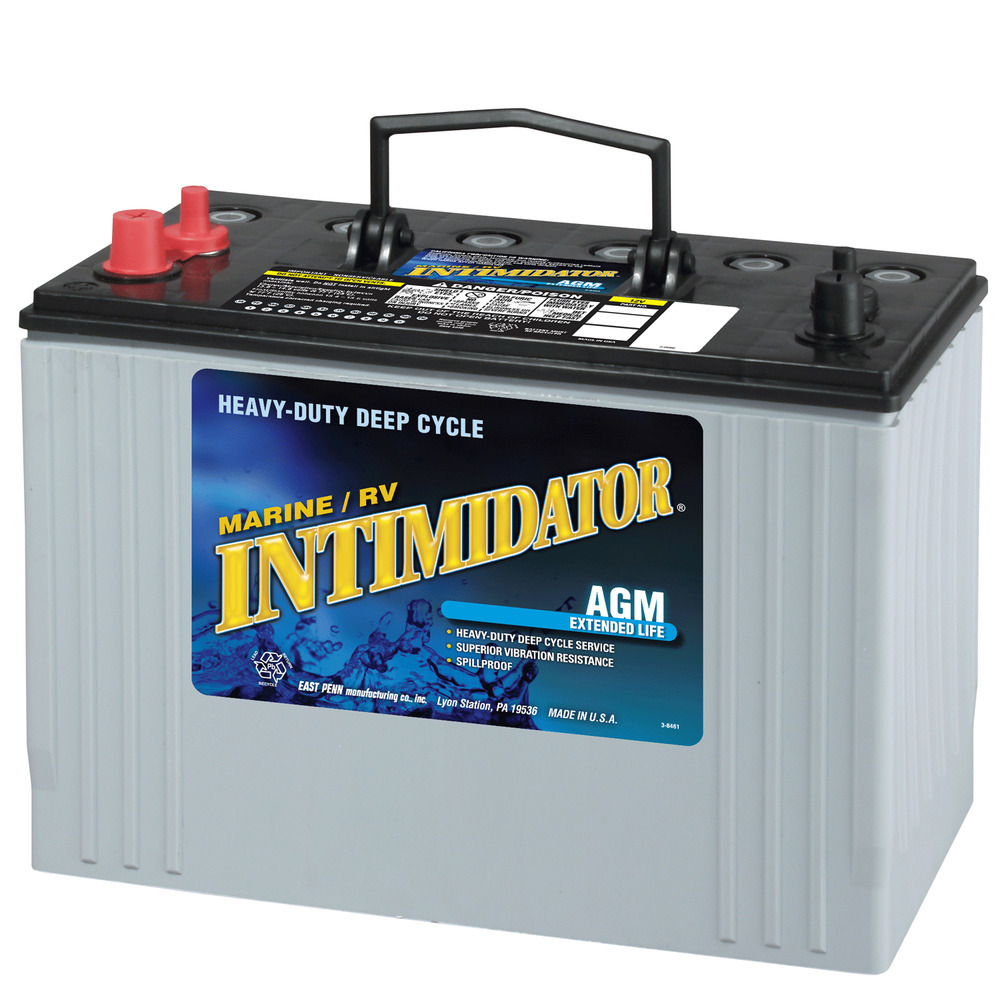
Spiral Cell AGM Batteries
Spiral cell AGMs, popularised by the Optima brand, are basically a VRLA AGM type battery, only with the cells wound into a spiral rather than laid flat next to each other in a prismatic arrangement as is the case with most every other type of lead acid battery. This unique style of VRLA AGM construction is less than ideal, due to its inability to efficiently tessellate each of its 6 cells. They do however offer peerless resistance to shock and vibration, with Optima so confident with their that they would demonstrate its capabilities by placing into a paint mixer! As far as VRLA AGMs go, the Spiral Cell is up there with the best.
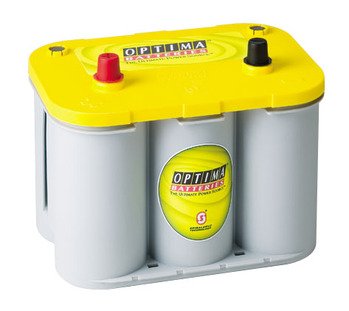
Valve Regulated Lead Acid (VRLA) Gel Batteries
Valve regulated lead acid gel type batteries share most of their design and construction with that of a VRLA AGM type battery, with one distinct exception. Rather than employing a fibreglass mat type material to suspend the electrolyte, gel batteries instead utilising a thick, gel type electrolyte capable of suspending itself without the need for a physical suspender. This allows gel type batteries to outperform AGM type VRLA batteries in some areas. While rarely superior to AGM type VRLA batteries in terms of power delivery they do offer class leading capacity and resistance to heavy cyclic use and severely protracted discharge. This makes gel technology lead acid batteries the premium choice for deep cycle applications. Accordingly, gel is as good as it gets when it comes to selecting a secondary battery for your 4WD, or for house power in caravans, camper trailers, motorhomes, houseboats and any other application that calls for a quality deep cycle battery capable of providing years of faithful service with little degradation in terms of capacity.
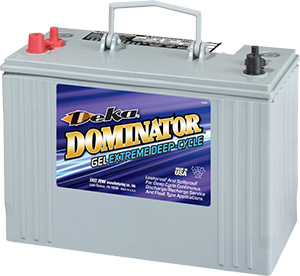
Lithium Batteries
The new kid on the block, lithium offers major advantages over its lead acid cousins. Firstly, and most importantly, lithium type batteries offer a substantial improvement in terms of volumetric energy density, offering up to 5 times more energy for the same physical size. Lithium can also provide substantially better gravimetric energy density, offering up to 7 times more energy for the same weight. Lithium batteries do, however, require several smarts to keep then safe and functioning as intended. These smarts come in the form of an onboard battery management system, or BMS, which is responsible for monitoring the charge voltage and regulating the charge current so not to exceed the capabilities of the comparatively temperamental cells. A BMS also keeps an eye on the terminal voltage of each lithium cell in the series string so to ensure they do not fall out of balance, which can quickly lead to deterioration of the battery or worse. While a battery that deteriorates early in its service life is far from ideal, and makes for poor value for money, it is unlikely to break the bank or put you and your family in danger.
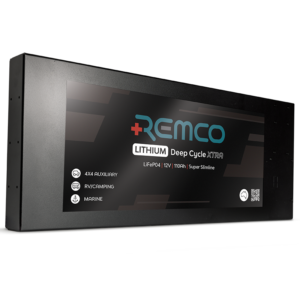
A short service life is, unfortunately, far from the worst possible outcome when it comes to fitting a lithium chemistry battery into your vehicle or towable toy. By now, chances are, we've all seen news reports about how some lithium batteries can spontaneously combust in less than convenient places and at seemingly unpredictable times, and this is something to be considered when deciding whether upgrading from a lead acid variant to a lithium chemistry battery is a sensible solution. While most, if not all, lithium batteries aimed at the automotive and leisure market are constructed using LiFePO4 type lithium cells, and LiFePO4 type lithium cells are generally the most stable of the lithium chemistry options, not all lithium cells are created equal. In the same way lead acid batteries can be optimised for specific applications such as starting which prioritises rate of power delivery over capacity, deep cycle which prioritises capacity over rate of power delivery, or dual-purpose, which strikes an ideal compromise between both starting and deep cycle use, so are lithium chemistry batteries.
While employing the wrong lead acid battery in a given application might lead to premature failure, employing the wrong lithium chemistry battery in a given application might lead to the lithium battery becoming an incendiary device. This dangerous, and potentially deadly, failure mode involved the generation of both smoke and fire, and can be extremely difficult to extinguish. Not all lithium batteries are manufactured to the same standard either, nor are the accompanying BMSs, with some built down to a price that can leave them more susceptible to catastrophic failure than more premium alternatives. It is for this reason you perhaps don't wanna be opting for the cheapest lithium battery you can find, especially if it is made by a company or wears a brand with little experience and/or no track record supplying batteries to the market.
What are the different intended-uses for batteries?
Powersports Batteries
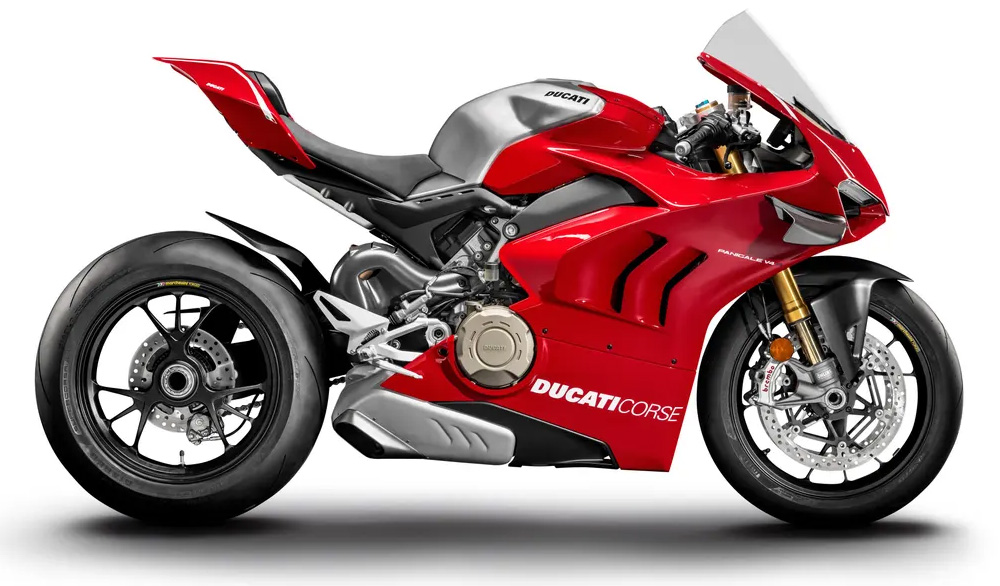
Think small engine starting applications. These include, but are not limited to, motorcycles, quad bikes, jet skis, snow mobiles and ride-on lawn mowers. These batteries generally need to be suitable for repeated engine starting and benefit from a design with strong resistance to extremes in temperature and vibration. AGMs reign supreme in this intended-use application, however there are plenty of splash and spill type flooded batteries available for those looking for an economy alternative to more premium AGM type solutions.
Automotive Batteries
Batteries intended for the automotive segment can be for starting, dual purpose or deep cycle use in regular vehicles, vans, taxis, 4WDs and other passenger mobility. This intended-use application predominantly relates to conventional internal combustion engine (ICE) starting, but does include more advanced batteries designed for late-model start-stop vehicles. Most batteries aimed at conventional vehicle starting are of a flooded or maintenance free silver calcium type chemistry, however more advanced starting batteries and, particularly, starting batteries for late model vehicles which utilise stop-start technology to turn the engine off when stationary.

Commercial & Heavy Vehicle Batteries
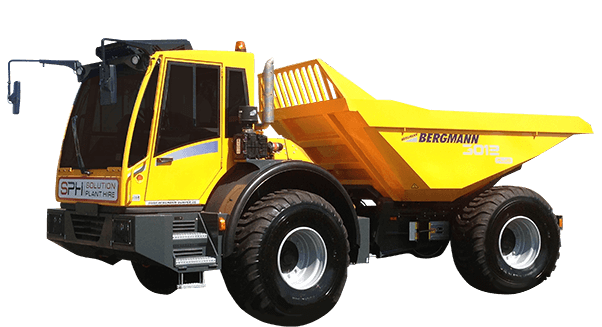
Mostly intended for starting applications in large vehicles like trucks, buses, mining and construction machinery and the like, batteries intended for the commercial and heavy vehicle market are generally just very large starting batteries. These can be flooded, EFB and maintenance free silver-calcium type batteries, and VRLA AGMs in more premium applications.
Leisure Batteries
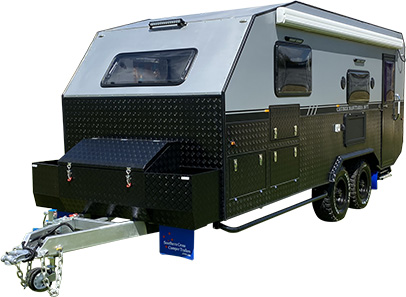
Primarily covering house power applications in towable toys like caravans and camper trailers, leisure encompasses most towable recreational vehicles and recreational vessels like fishing, wakeboarding and ski boats. Accordingly, it is mostly made up of deep cycle batteries designed to provide house power for mobile dwellings and vessels, but can also cover batteries designed for starting those which feature an internal combustion engine, including motorhomes and vessels with dual battery systems for powering accessories when the engine isn't running.
Marine Batteries
Built much the same as a conventional battery designed for automotive or commercial use, marine batteries are generally characterised by a difference in terminal orientation. These terminal arrangements usually consist of a pair of terminals, combining conventional SAE type terminals with a pair of eyelets or screw-down studs, allowing connection of conventional battery terminals while providing discrete connection points for added accessories such as CB radios, Stereo systems, GPSs, fish finders and so forth.
What Are The Different Battery Brands?
Deka
Manufactured in the USA by the largest privately owned battery manufacturer on the planet, Deka batteries are second to none when it comes to quality and value. While not cheap when compared to lesser alternatives, Deka batteries do provide excellent value for money when compared to the performance and service life they provide. Built with some of the purest lead, most advanced antimony mixtures, most efficient plates designs and most resilient case constructions, most precisely calibrated pressure safety relief valves and more than 250 quality control checks along its production lines, Deka batteries can be relied upon to deliver the very best bang for your buck.
Fullriver
While still having a bit of a way to go before catching up with the Yanks in terms of performance and service life when it comes to lead acid, Chinese makers are rapidly advancing in their ability to competently produce lead acid batteries worth their salt, and Fullriver is among the best chinese lead acid battery brands. Their DC range are great for intended uses requiring a sealed, maintenance free deep cycle battery for cyclic duties. The FT series are VRLA AGMs designed for high performance starting applications, available in sizes to suit most every application from passenger vehicles to motorhomes, trucks and commercial vehicles to boat and all forms of powersports vehicles from motorcycles to jet skis.
Hard Korr Australia
One of Australia's most popular 4WD parts and accessories brands, HardKorr provide a wide range of 12V operated gear. HardKorr's lineup has expanded to include both lead acid and lithium-based batteries aimed squarely at the 4WD and leisure segments. Their Zeal range of deep cycle batteries are designed to provide a cost-effective solution for deep cycle applications which aren't subjected to high power demands, extreme temperatures or volatile chemicals. HardKorrs have most recently added a selection of premium lithium-based batteries that employ the latest BMS technology to keep your battery in top shape and to easily track state of charge.

Hi-Tec Batteries
Hi-Tec Batteries cover a wide range of shapes and sizes to suit most every popular fitment requirement in Australia's automotive and commercial vehicle fleet. This includes both lead acid and lithium technology covering everything from conventional starting to modern start-stop, dual purpose and deep cycle applications. Hi-Tec have been in Australia for over 30 years, and have developed a strong track record meeting the needs of the Australia lead acid battery market in everything from motorsports to commercial fleets.

Noco
Noco, one of the oldest and most recognisable battery focused brands in the world, has over a century worth of experience in their field. While most well-known these days for their venerable range of multistage chargers, Noco also offer a selection of lithium batteries designed for the Powersports market. If you are after a premium lithium battery for your scooter, motorcycle, jetski or similar powersports tool or toy, Noco is well worth a look.
Odyssey
Arguably the best absorbed glass mat type battery technology available, Odyssey batteries are as premium as a lead acid AGM gets. These identifiable batteries are perfect for applications where price is not a primary concern or where a more premium battery is justifiable. These dual-purpose batteries offer astonishing performance whether used for starting, deep cycle or dual purpose use. Provided you select the right battery for your application, you can be assured you are buying the very best quality solution available.
Optima
Starting, deep cycle and dual-purpose batteries for use in all manner of vehicle and boats, as well as caravans, motorhomes and camper trailers. Dark grey cases signify suitability for starting use only, and are available in blue or red tops, suitable for marine and automotive use respectively. Light grey cases signify suitability for both starting and deep cycle use, or dual-purpose use, and are available in blue and yellow tops, suitable for marine or general use respectively. Red top starting battery is also available in a 6V variant for use in vintage vehicles with 6V systems or in vehicles that lack the space required for a conventional sized battery (two can be used in series to make 12V).
Varta
Varta is arguably one of the most well-known battery brands around, and boasts the backing of the world's largest battery manufacturer Clarios. Selected as the OEM battery supplier of choice by the world's leading luxury car manufacturers including Audi, Mercedes and BMW, you can trust Varta to do what it says on the tin, provide class leading performance and go the distance with the longest service life in starting and start-stop applications. Varta also provide a range of application specific batteries aimed at everything from powersports to the commercial fleet market.

How do I know if my car needs a new battery?
When it comes to starting batteries, the most obvious sign your battery needs replacing is an inability to crank the engine over. Although this alone doesn't necessarily indicate your battery needs replacement, especially if the vehicle into which it is installed has been sitting undriven for an extended period. It is advisable in such instances, provided time and convenience permits, that you stick the battery on charge for several hours or more before shelling out for a new one. If your battery still does the job but has become noticeably sluggish, cranking the engine with increasing lethargy, especially in a vehicle that serves as your daily drive, then this is a clear indication that it's on its way out. The same can be said of a dual-purpose battery that serves as a starting battery.
For deep cycle batteries that serve to provide reserve power for your accessories when the engine is off, the signs can be a bit more difficult to spot. A failing deep cycle battery is usually noticed when an accessory or appliance such as your portable fridge fails to stay cold as long as it used to. This usually happens because the supply voltage of the battery has been drawn down to a level that triggers the low voltage disconnect function of the accessory or appliance.
How do I maximise the life of my battery?
Speaking of low voltage disconnect functions, which are designed to disconnect a load from a battery before it suffers damage, these are a critical link in the chain when it comes to ensuring your deep cycle battery has any chance of achieving the maximum possible service life. While both lead acid and lithium-based battery can suffer severe degradation in storage capacity, power delivery and voltage maintenance, this is an issue which needs more consideration by the user when dealing with lead acid batteries rather than lithium. The reason for this is because lithium batteries designed for the type of automotive and leisure applications we're dealing have a sophisticated battery management system (BMS) integrated into them. These BMSs perform several critical functions necessary for lithium-based cells. These functions generally include but need not be limited to, monitoring the rate of charge and discharge to ensure the battery isn't subjected to excessively high demands that may destabilise the cells, monitoring the temperature of the cells to ensure they don't exceed safe limits, monitor the terminal voltage of each cell (or bank of cells) assembled into a battery so to ensure they remain in a balanced equilibrium with each other.
A BMS might also feature additional circuitry capable of detecting one or more fault conditions that could occur, such as under voltage, over voltage and internal shorts within the battery. In all cases a good BMS should be able to disconnect a battery from a charger or load so to protect the battery from damage or to help prevent a dangerous fault condition from occurring. A BMS can also provide added functionality not directly related with safety but rather user convenience. For example, some BMSs might feature a display panel or even bluetooth connectivity capable of reporting parameters such as charge current, discharge current, state of charge and more. It is important to note that while the presence of a BMS in a lithium battery might seem to make a lithium battery safer, these BMSs are integrated into lithium batteries out of necessity because lithium chemistry can't hold a candle to lead acid chemistry in terms of resistance to overvoltage, undervoltage, temperature extremes, cell imbalance and so forth. The fault conditions exhibited by lithium batteries are far more catastrophic, with risks such as fire being orders of magnitude more likely when compared with lead acid batteries. Most batteries when they do fail simply do so after 3 or more years of faithful service as they eventually run out of useful service life.
Batteries at Automotive Superstore
Peruse our range of lead acid and lithium technology batteries above to find the right upgrade or replacement for your vehicle, bike, boat or other towable toy. Select from the parametric search options found on the left side of the page to narrow your search based on brand, application or otherwise. While you're at it, you may wanna check our our Batteries and Accessories category, where you'll find Battery Boxes, Brackets, Mounts & Trays, Cables, Clamps, Terminals, Isolators, Monitors and Testers. Feel free to reach out to our friendly and knowledgeable staff here at automotive superstore who will be more than happy to assist you to find the right solution for your intended use.


